
A practical guide for US buyers and engineers to spot a real server rail factory, quantify true landed cost, and avoid the risks of resellers.
Cost and Pricing: Factory vs Trading Company
When you compare quotes from a China-based factory and from a trading company (reseller/broker), transparency is the single most useful signal. Trading companies commonly sell convenience — consolidated orders, consolidated shipping, and a single “landed” number — which can hide margins and handling assumptions. Factories more often quote by Incoterm (EXW/FOB) and are able to break out production, packaging and export handling when asked; however, every supplier is different and you must verify line items on the Proforma Invoice (PI).
What to request from any supplier (use the PI to cross-check)
- Unit price (state the Incoterm and currency).
- Sample unit(s) price and quantity included.
- Packing specifics: pairs per carton, carton dimensions, gross weight.
- Tooling / NRE shown as a separate line item (if any).
- Export handling: export packing, export documentation fees.
- Transport terms: named FOB port, or itemised CIF/freight and insurance.
- Incidental fees: inspection, rework, return logistics liability.
- Lead time for samples and for production lots.
Hidden fees US buyers should watch for
- Inland drayage and intermodal from US discharge port to final warehouse.
- Customs broker and destination customs clearance fees.
- Port storage / demurrage for late import documents.
- Re-inspection or rework performed at the US-side warehouse.
- Return freight and duty liability on rejected lots.
How to compare on a per‑unit and per‑container basis (practical checklist)
- Ask both parties to provide the same Incoterm (for example, FOB a named Chinese port). If a trading company only wants to sell “landed”, require them to breakout freight, insurance and import-handling so you can see the underlying manufacturing cost.
- Convert freight and insurance to a per‑pair cost by dividing by the number of pairs per container or LCL shipment.
- Add third‑party inspection fees and sample costs into first‑order unit economics — many disputes start at first delivery.
- For small orders trading companies can appear cheaper because of consolidation, but that convenience can mask loss of technical control, hidden NREs, and longer resolution cycles for fit or performance problems.
Practical PI checks
- Confirm the specific FOB port (not just “Shanghai”) and whether packing weight/dimensions are declared.
- If tooling/NRE is zero, confirm whether an existing die will be used or whether the supplier plans to modify a die (structural changes normally trigger tooling/NRE).
- If warranty, inspection or rework obligations are not spelled out, add them as contractual line items and allocate an expected per‑pair reserve for comparison.
Bottom line: insist on a fully itemised PI and convert to the same landed-cost assumptions for apples‑to‑apples comparison. Do not accept single‑line “landed” quotes when technical fit, die ownership and change‑control matter.
Production Quality, Customization, and OEM Capabilities
A manufacturer (true factory) will directly control the key production steps that determine rail performance: stamping dies, forming or roll‑forming operations, finishing, inspection and the ability to issue and revise production drawings in‑house. A trading company may subcontract those steps and typically has less direct control of die ownership, revision history and on‑line QC.
Key signs a supplier is a manufacturer
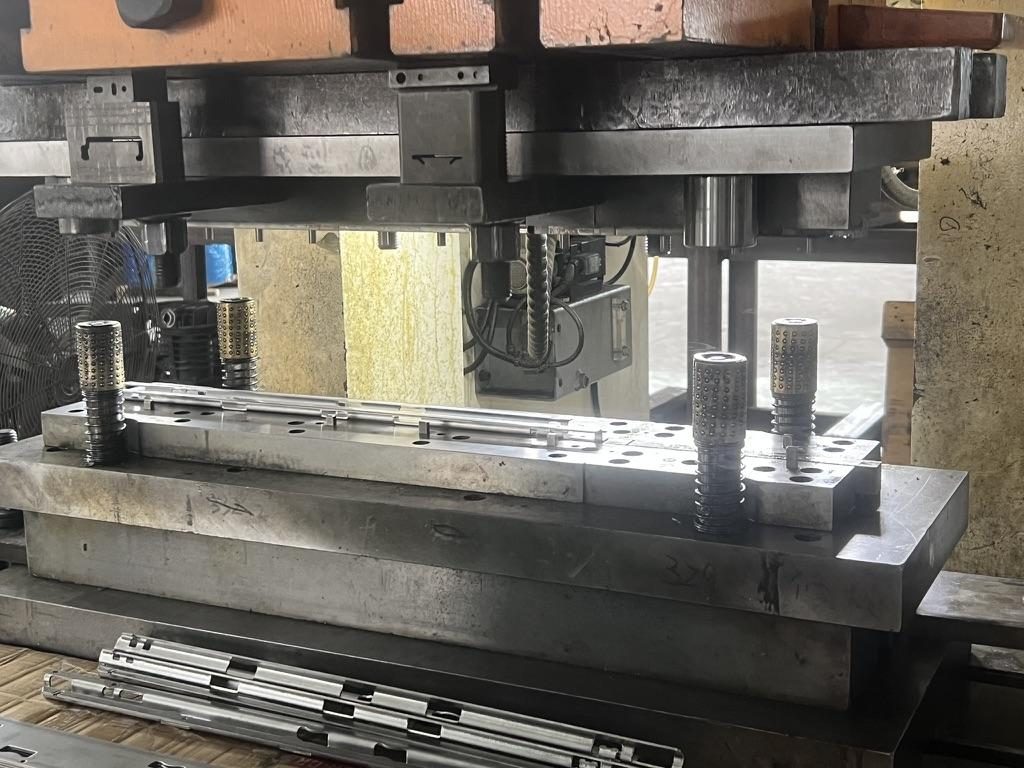
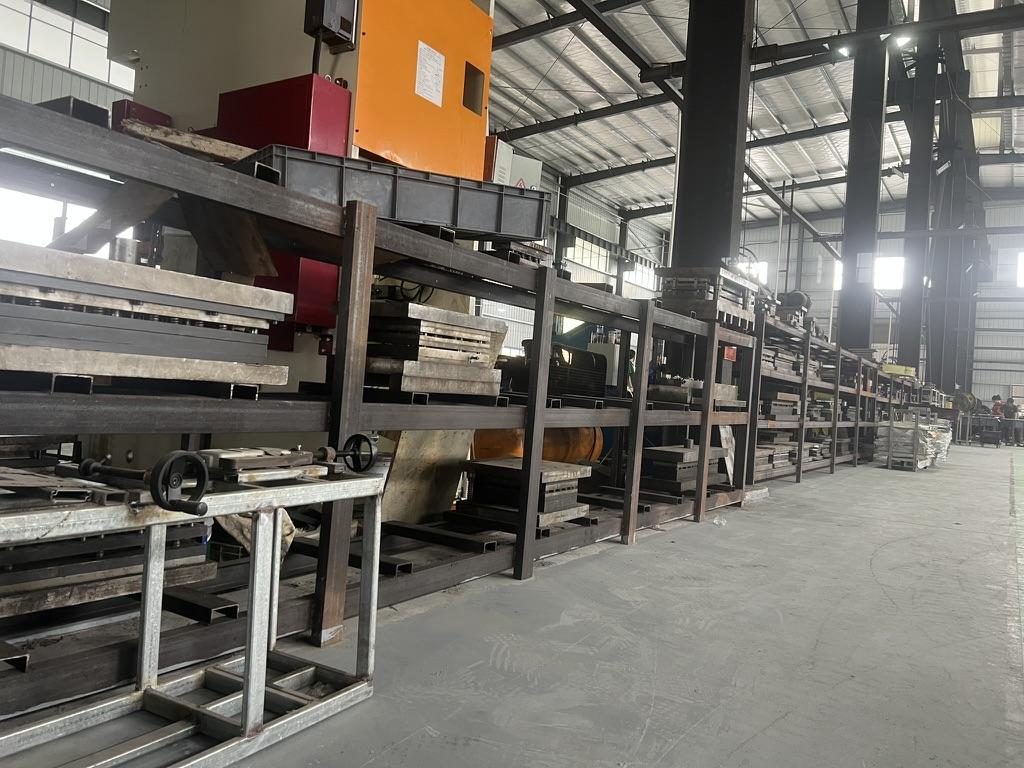
- Can show stamping dies, die storage or a die row and explain die ownership and retention policy.
- Provides controlled in‑house drawings with revision numbers and can issue first‑article documents.
- Runs and documents sample, first‑article and static‑load tests. In MetrixSlide's factory static‑load test a rail pair is held under load at full extension for 24 hours, and the MS‑FMR‑2U‑100 held 100 kg in that test; that test is not an industry standard, so request the test report.
- Offers bounded customization (bracket position, hole pattern, length, thickness) and can explain which changes require NRE or new tooling.
Decision rule — compatibility hard gates before preferences MetrixSlide engineering follows a strict order when qualifying a supplier or a candidate rail:
- Requirement → CAD → physical fit → performance (passing one does not imply the next).
- Hard gates: interface fit (pin/slot/datum), mounting depth fit, verified load rating (per pair, extension state, test fixture and duration) must be satisfied before preferences such as sliding vs fixed, ball‑bearing vs friction, or tool‑less features are chosen.
Definitions you should insist on in the contract or PI
- Closed length vs extended length vs bracket (fit) range: these are three distinct drawing values; do not derive travel or fit capability from closed length alone. Request CAD values for closed, extended and the bracket span/range.
- Load rating: ask for per‑pair vs per‑rail, static vs dynamic, extension state (full extension or partial), duration and the fixture used. Example: MetrixSlide's MS-BBR-180 has a nominal capacity of up to 180 kg per pair, and a formal test report at that load is not yet available. Use the structure above when evaluating other ratings.
Common factory workflow (milestones and who owns them)
- Requirement & CAD intake — buyer provides chassis/rack info and mounting constraints (hard gates).
- Feasibility & tooling decision — determine whether an existing die applies or a new die is required (structural changes → tooling/NRE).
- Sample build & first‑article — supplier issues sample drawings and a physical sample.
- First‑article inspection — fit check, hole tolerances, functional travel and lock‑out verification.
- Pilot run & performance test — static/dynamic load checks and packaging validation.
- Production release — drawing freeze, batch traceability and in‑process QC.
Taxonomy (practical): how MetrixSlide engineers classify rails
- Motion architecture: fixed vs sliding.
- Sliding mechanism: ball‑bearing vs friction.
- Mounting attributes: tool‑less vs screw; stab‑in vs drop‑in installation.
- Section count: two‑section vs three‑section; travel and lock‑out characteristics. These attributes are orthogonal: e.g., you can have a three‑section ball‑bearing, tool‑less, drop‑in rail.
Comparison: factory vs trading company (high‑level)
- In‑house drawings & revision control — Factory: issues and revises drawings; can provide FA reports. Trading company: may forward subcontractor drawings and have limited revision control.
- Tooling / die ownership — Factory: can show dies or die history and explain die retention. Trading company: tooling probably owned/controlled by an unknown subcontractor; NRE visibility lower.
- Customization scope — Factory: bounded changes (bracket/hole/length/thickness) are often handled without structural NRE. Trading company: custom requests often brokered through a subcontractor and can carry hidden NRE.
- QC & tests — Factory: on‑site tests and traceable inspection records (MetrixSlide practice includes internal static‑load validation). Trading company: relies on subcontractor results; traceability is typically lower.
- Small‑batch flexibility — Factories can often do samples directly (MetrixSlide sample lead ~15–20 days after drawing approval); trading companies may consolidate or reschedule, losing speed.
Common pitfalls and how to avoid them
- If a supplier promises “no tooling fee” for a structural change, require the change classification (bounded vs structural) in writing.
- Verify claimed tolerances: the factory states a stamping‑precision capability of absolute error within 0.08 mm for T‑pin/inner‑rail hole fit; request measurement reports.
- For key interface features (T‑pins, PEM pins, J‑slots, keyholes), require dimensional reports and physical fit samples — these details are not commodity items.
Order Size, Lead Times, and Scaling Production
Order size and vendor type change the economics and timelines. Factories can scale production but have minimum efficient runs for stamping; trading companies can aggregate orders but add latency and reduce control.
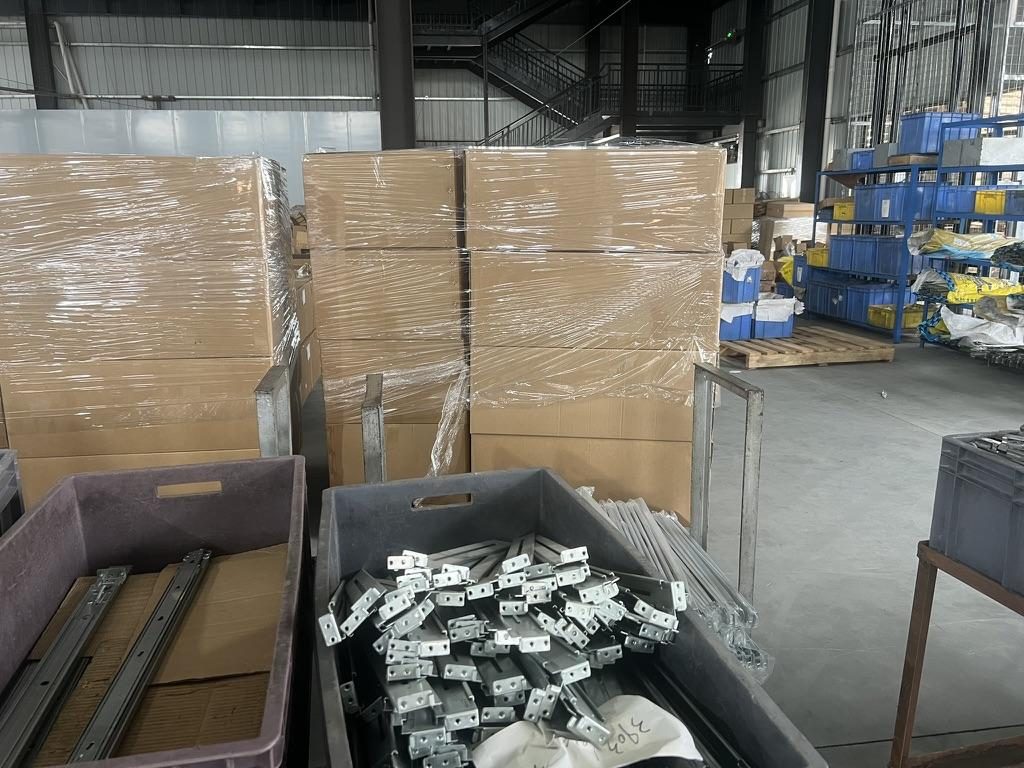 Finished server rails being packed for shipment
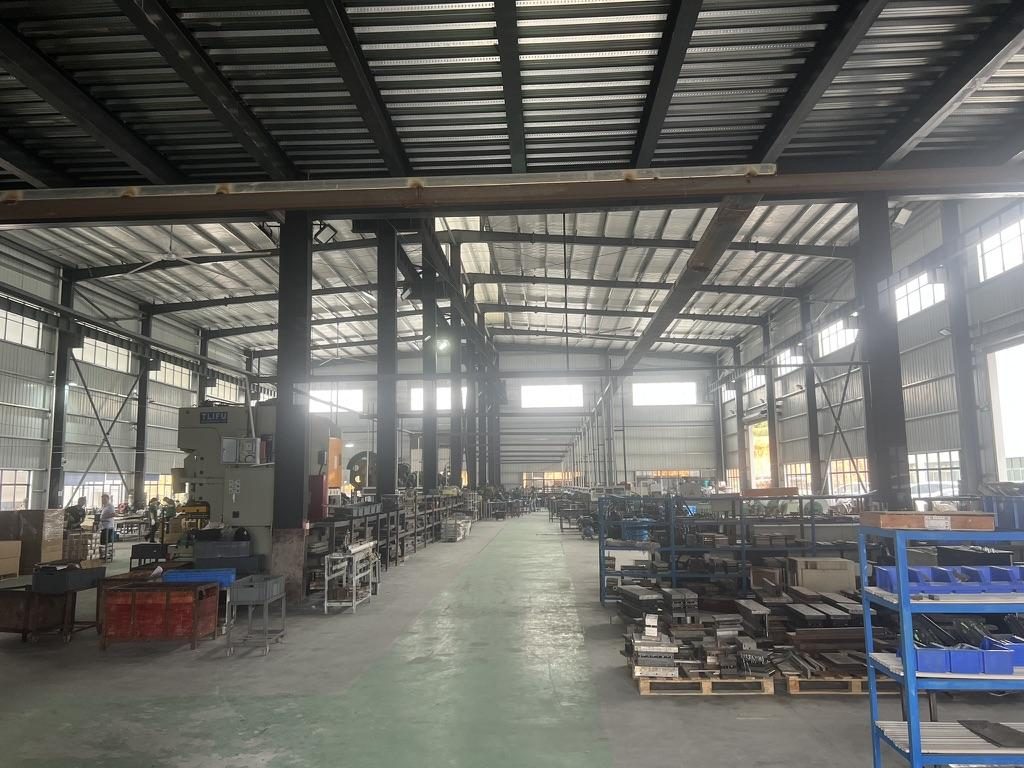
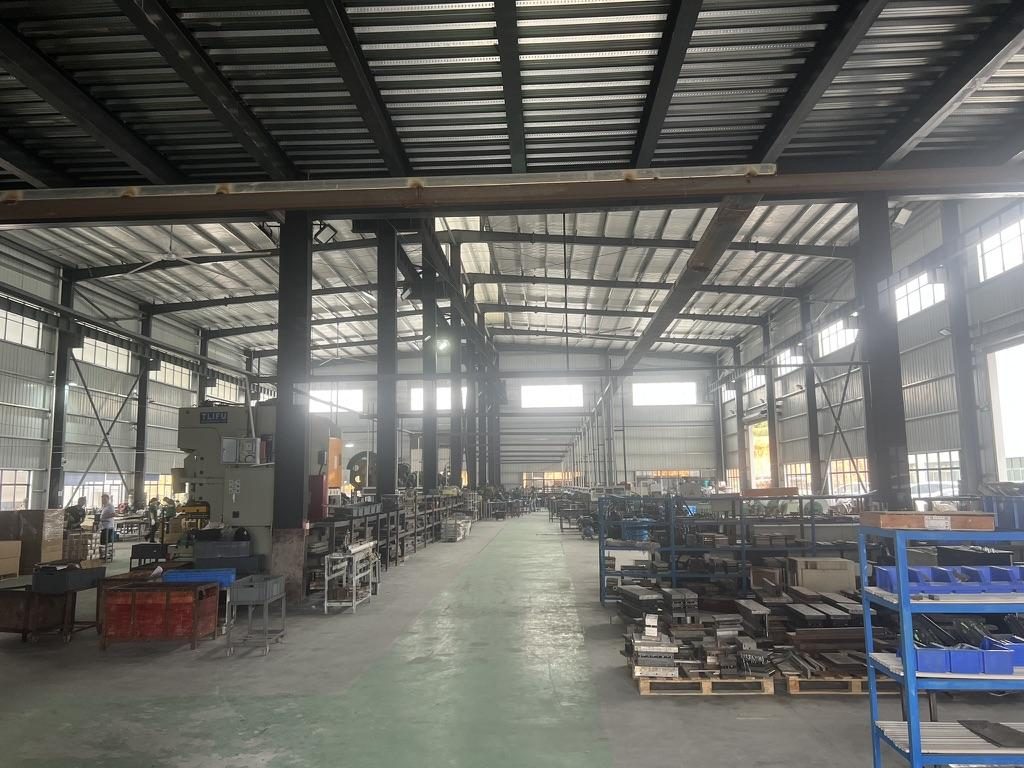 Overview of the server rail production workshop
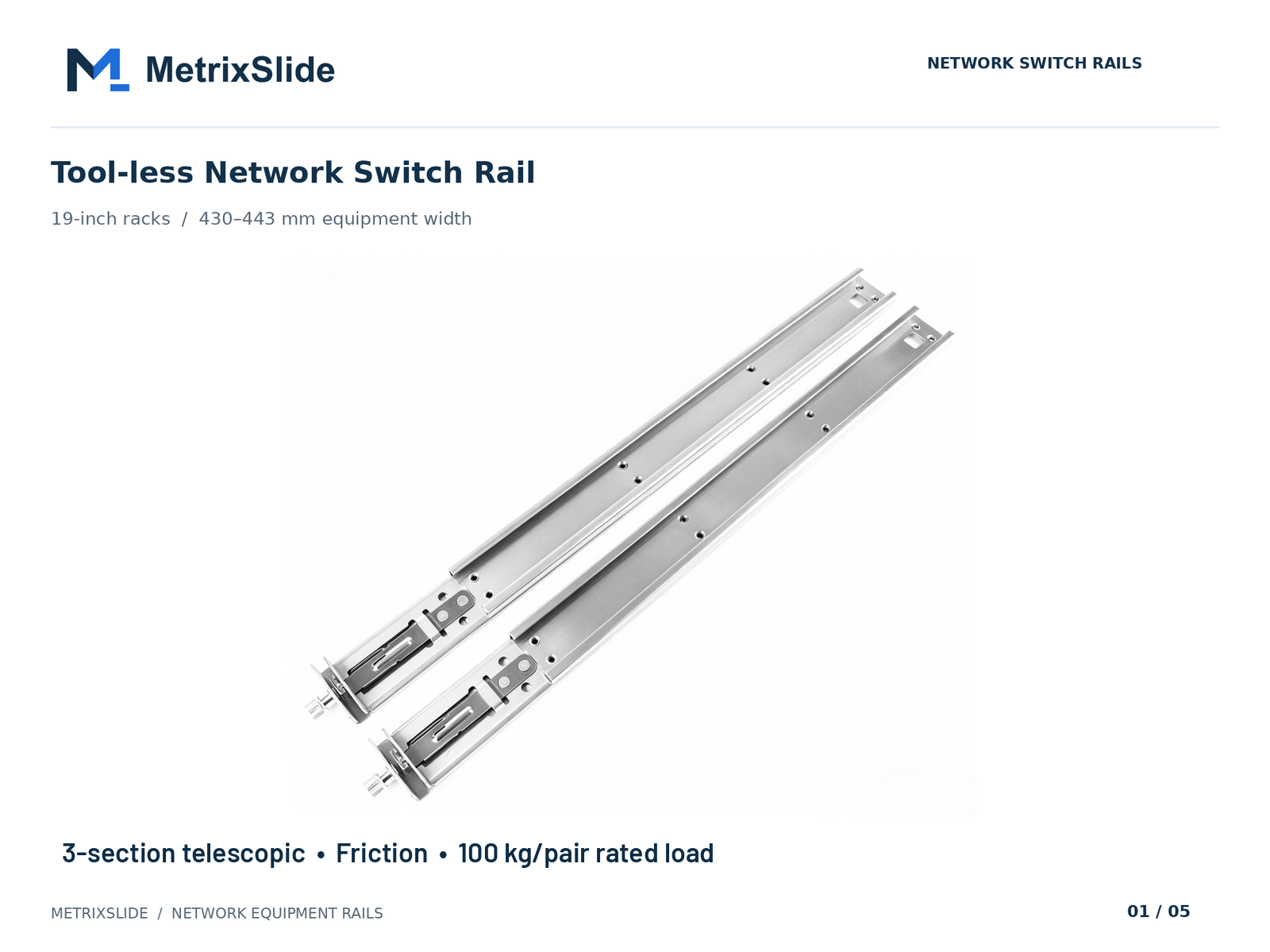 MS-FMR-SW-100 Tool-less Network Switch Rail — view product
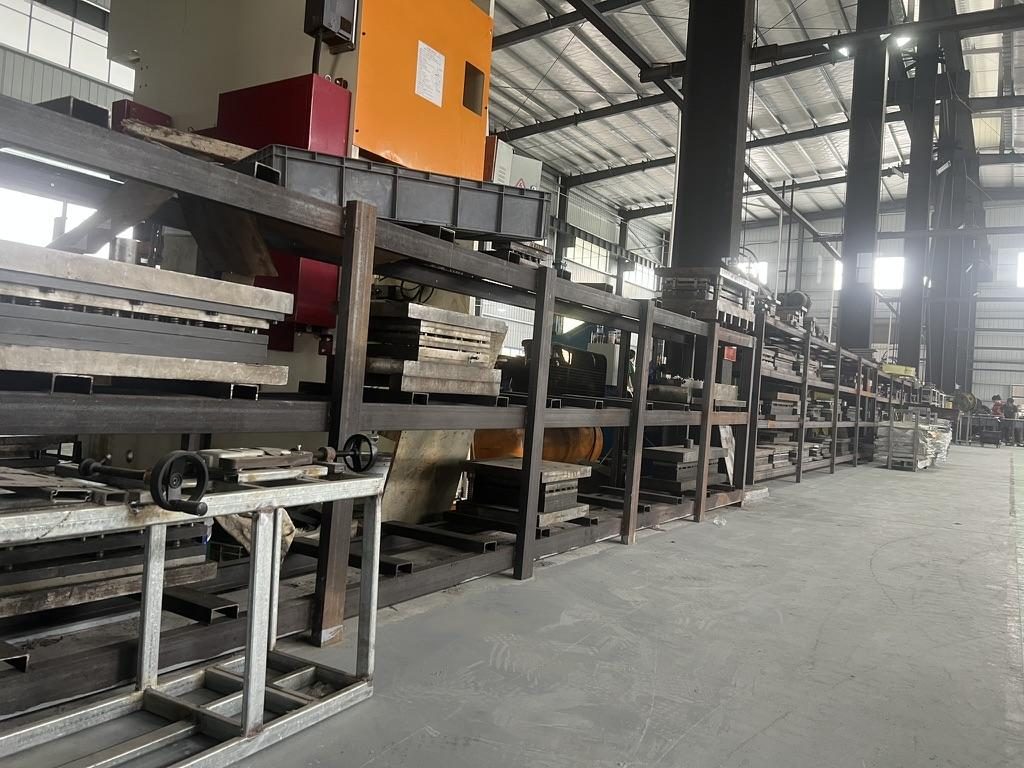 A row of customer-specific rail dies kept in the tooling store
Guideline timing to budget by (project planning ranges)
- Prototype/sample: commonly within a 1–3 week window; MetrixSlide quotes sample lead time at approximately 15–20 days for small sample sets.
- Pilot/first production: depends on tooling needs and scheduling (prepare for several weeks to a few months).
- Volume production: cycle time depends on the factory’s capacity, die availability and raw‑material lead times (coils). Surface finish batching (plating or powder coating) and inspection capacity are common gating factors.
How order size affects each supplier type
- Small orders (tens to low hundreds): trading companies may consolidate and offer convenience, but at the cost of possible mixed‑source production and slower dispute resolution. Factories can accept small runs using an existing die or will quote tooling if structural changes are required.
- Medium to large orders (hundreds to thousands): factories become more cost‑effective with better QC traceability and scheduling control; they can reserve die time and accept deposit‑backed delivery plans.
- Scaling pilot to mass: bottlenecks are typically die availability, raw material (coil) lead time, finishing ovens/plating batch lanes, and inspection capacity.
Practical tactics to control lead time risk
- Parallelise CAD approval and pre‑buying of long‑lead raw material on a deposit basis.
- Use staged shipments: pilot shipment first, balance shipped in later lots to avoid storage/demurrage.
- Run mechanical fit samples and electrical/functional checks in parallel with cosmetic/finish approvals.
- Use milestone payments (deposit, pre‑production, pre‑shipment) and require a confirmed production schedule on the PI.
When to insist on tooling confirmation
- If the supplier claims an existing die fits your drawing, ask for the die ID, photos and an explicit commitment to maintain the die for your runs.
- If a new die is required, obtain a clear NRE estimate and tooling acceptance criteria before releasing production.
Supplier Verification, Audits, and After‑Sales Support
Verifying a supplier requires documents, on‑site evidence and written commitments. If you cannot visit, third‑party audits and sample testing are the practical substitute.
On‑site / document checklist
- Legal & quality documents: business registration and any claimed ISO 9001:2015 certificate (MetrixSlide’s ISO 9001:2015 scope is "processing of metal products (slides)"; ask to see the certificate copy).
- Process evidence: photos or video of die storage, press‑forming stations or roll‑forming lines; sample build records; first‑article inspection reports.
- Test capabilities: static‑load setups, measurement gauges, and any records for 24‑hour static tests (request the report).
- Traceability: batch numbers, material certificates and finished‑part inspection records.
When to require third‑party inspection
- Always for first production lots when buyers can’t accept visual‑only checks.
- Specify AQL sampling for cosmetic/fit items; require 100% inspection for critical interface features (T‑pin positions, keyhole geometry) or if past disputes exist.
- Use accredited labs for material composition or plating verification when compliance is critical.
Writing an enforceable warranty clause
- Define scope: list repair/replace for manufacturing defects, and explicitly exclude damage from misuse or field modification.
- Specify RMA flow: inspection window, responsibility for return freight, and whether replacements are supplied.
- Limit financial exposure: cap warranty at replacement value or a mutually agreed maximum, and require a defined claim window (agree this in writing).
When you cannot audit on site
- Hire a local buyer’s agent or an accredited inspection house to do a full factory audit and sample inspection.
- Request live video walkthroughs (not just photos) with authenticated die IDs, roll‑forming lines and press stations visible.
- Require authenticated test reports and first‑article measurement data as contractual deliverables.
Communication, Logistics, and Risk Management
Clear communication and contract specificity remove ambiguity. Treat technical discussions as part of procurement: spec sheets, drawing revisions and acceptance criteria should be written and versioned.
Communication best practices
- Define response SLAs (for example, acknowledge technical queries within one business day and give a clear ETA for missing items).
- Use drawing control: require supplier‑issued drawing revisions and controlled sign‑offs for any change.
- Keep a short standard RFQ template so quotes are directly comparable.
Recommended commercial signals
- For first orders prefer FOB with a reputable freight forwarder, or CIF with an explicit freight breakdown. Avoid vague “landed” quotes without itemisation.
- Use milestone payments, and consider documentary instruments (L/C) for higher‑value runs if required by your finance policy.
- Insure shipments and specify Incoterms in the contract.
US logistics considerations
- Port choice and routing affect inland costs — plan for drayage and customs broker fees.
- Estimate time‑to‑shelf as sea transit + US port dwell + customs + intermodal; add contingency for busy seasons.
- Consolidate small batches in domestic warehousing to reduce repeated drayage fees.
Risk mitigation playbook
- Require pre‑shipment inspection (PSI) and shipping sample approval before final release.
- Contractually require the supplier to maintain die‑use records and change logs for traceability.
- For critical OEM features (J‑slots, PEM pins, keyholes) require dimensional reports with each batch and reserve the right to 100% inspection for initial lots.
Practical checklists and selection order (MetrixSlide engineering practice)
Selection order (hard gates first)
- Chassis inputs: U height, actual width, depth envelope, interface CAD, pin positions.
- Rack inputs: hole type, actual post distance or post‑distance range, post photos, bracket range requirement.
- Compatibility hard gates: interface fit, dimensional fit, verified load.
- Preferences and architecture: sliding vs fixed, ball‑bearing vs friction, tool‑less options, installation style.
Drop‑in / T‑pin intake (minimum)
- Chassis model and depth.
- Pin head Ø, shaft Ø, under‑head clearance, positional datum and centre spacings.
- Rack depth and whether drop‑in or stab‑in installation is required.
Dimensional documentation to ask for (minimum)
- Controlled supplier drawing with revision number.
- Closed length, extended length and bracket (fit) range CAD values.
- Dimensional report or FAI report for first sample run.
Anonymised project examples (what to look for in real cases)
- A North American telecom OEM: a three‑member rail family where closed/extended dimensions on the supplier drawing were 674 ±3 mm closed and 919 ±3 mm extended, and the customer requested reduced pull‑out for load testing. The pull‑out was reduced from a 300 mm reference to a target of 150 ±3 mm during the engineering conversation. These were CAD‑level requirements under review.
- An Indian HPC ODM: requested a ball‑bearing rail with a bracket range 650–965 mm to cover their posted post distance of ~812 mm (their CAD confirmed the middle of that range). Samples were quoted and a 10‑pair PI issued with a typical sample lead of ~15–20 days for physical validation.
- A SaaS company building its own servers: requested a conversion from stab‑in to drop‑in by redesigning the inner‑rail J‑slot only; the T‑pin used on the chassis was a PEM type with head ≈6.502 mm, shaft ≈4 mm and under‑head clearance ≈1.585 mm — slot geometry must be derived from those pin dimensions, not guessed.
These case figures illustrate the kinds of CAD and dimensional inputs you must obtain and verify before ordering samples or production.
FAQ
Q: How much cheaper are server rails from a Chinese factory compared with a trading company when you include shipping and fees? A: There is no universal percentage — the difference depends on order size, Incoterm, and whether the trading company bundles freight or inspection as a convenience service. The decisive factor is transparency: insist on itemised PIs (FOB port, packing, tooling, inspection) and convert freight to per‑unit terms to compare apples‑to‑apples.
Q: What quality differences should US buyers expect between factory‑sourced and trading‑company‑sourced server rails? A: Factory‑sourced rails typically offer better drawing control, traceable first‑article reports and on‑site testing (in MetrixSlide's factory static‑load test a rail pair is held under load at full extension for 24 hours, and the MS‑FMR‑2U‑100 held 100 kg in that test). Trading companies can source acceptable parts but often lack direct control of dies, revision history and on‑line QC, which raises risk for repeatable OEM performance.
Q: What are typical MOQs and lead times for customized server rails from China, and how can I reduce them? A: Prototype/sample lead time commonly measures in days‑to‑weeks (MetrixSlide sample lead ≈15–20 days). Pilot‑to‑volume depends on tooling and queue; plan for several weeks to a few months. To reduce effective lead time use staged shipments, parallel approvals and deposit‑backed pre‑buying of long‑lead items.
Q: Can Chinese factories handle OEM labeling and UL/RoHS compliance for products sold in the United States? A: Yes — factories can accommodate custom labeling and support RoHS if specified up front. UL‑style safety testing is usually done by accredited labs and must be coordinated early. Ask your supplier to document material certificates and to confirm which tests they will manage versus which you will arrange.
Q: What steps should I take to verify a Chinese supplier and conduct a reliable factory audit or third‑party inspection? A: Verify legal and quality documents (business registration and ISO 9001:2015 where claimed), request photos/video of dies and production lines, and insist on first‑article reports for critical dimensions. If you cannot visit, hire a local inspection house to perform a full audit and sample inspection and include PSI and measurement reports in the contract.
Talk to a MetrixSlide engineer
Ready to move from research to a real quote? Send us a chassis drawing or model (STEP or DWG), the rack post‑to‑post distance and hole type, the expected load and your planned quantities. Within 24 hours you get a rail matching proposal from an engineer, followed by 2D/3D drawings for review and sample pairs (typically 15–20 days after drawing approval) for physical validation before the full order.
Bracket position, hole pattern, rail length and thickness adjustments on our existing platforms usually carry no tooling fee; structural redesigns are quoted separately with dies made in‑house.