
A practical guide for purchasing teams and engineers: how rail architecture, customization, and logistics drive unit cost and MOQ — and what to ask for when comparing wholesale quotes.
Wholesale Pricing, MOQ and Bulk Discount Tiers
What a supplier lists as "unit price" is only the start. For wholesale buyers, a transparent price table should break the unit price into product cost, packaging, freight, taxes/duties and any one‑time engineering (NRE/tooling) or testing charges. Ask every supplier to return a quantity‑tier table (for example: per‑pair unit price for 1–9, 10–49, 50–199, 200+) and an explicit line‑item cost breakdown so you can compare apples to apples.
What to require in a quote
- Per‑quantity unit price ranges (explicit quantity bands and per‑pair prices).
- Line items: product manufacturing cost, packaging (per‑pair), export packing (crate/pallet), freight estimate (FCL/LCL/air), insurance, estimated duties/tariffs, and any NRE/tooling.
- Sample‑order pricing and whether sample cost is refundable or credited against production orders.
- MOQ policy and flexibility: whether MOQ is firm, split‑shipment options, and staged deliveries.
How MOQ affects pricing (qualitative)
- Lower quantities typically carry higher per‑unit manufacturing overhead and freight per unit, and sometimes a premium for set‑up/line change.
- Unit price drops primarily from fixed‑cost dilution (tooling, setup, die change) and improved production efficiency at scale.
- Suppliers often offer conditional discounts for contract commitments (longer‑term purchase agreements), larger single shipments, or higher prepayment percentages.
How to present landed examples to internal stakeholders
- Use a template calculation: Total landed cost = (Unit price × Qty) + Packaging + Inland origin freight + Export freight + Insurance + Duties + Customs clearance + Import handling; then divide by Qty for landed unit cost.
- If you need an executive‑friendly view, ask suppliers to provide two scenarios: FOB (origin) and DDP (delivered duty paid) to your warehouse. This removes guesswork when buyers compare multiple suppliers.
Sample‑order and split‑shipment strategies
- If MOQ is a hurdle, ask whether the supplier will do sample or pilot lots at a higher unit price, or split production into multiple smaller shipments. Many factories accept staged delivery to meet buyer cash flow or inventory constraints — just confirm per‑shipment minimums and added freight/handling fees.
- Confirm whether sample lead times are the same as small engineering runs. MetrixSlide sample programs have typically indicated a sample lead time of about 15–20 days after order confirmation for small sample runs; always confirm current timing on the quote.
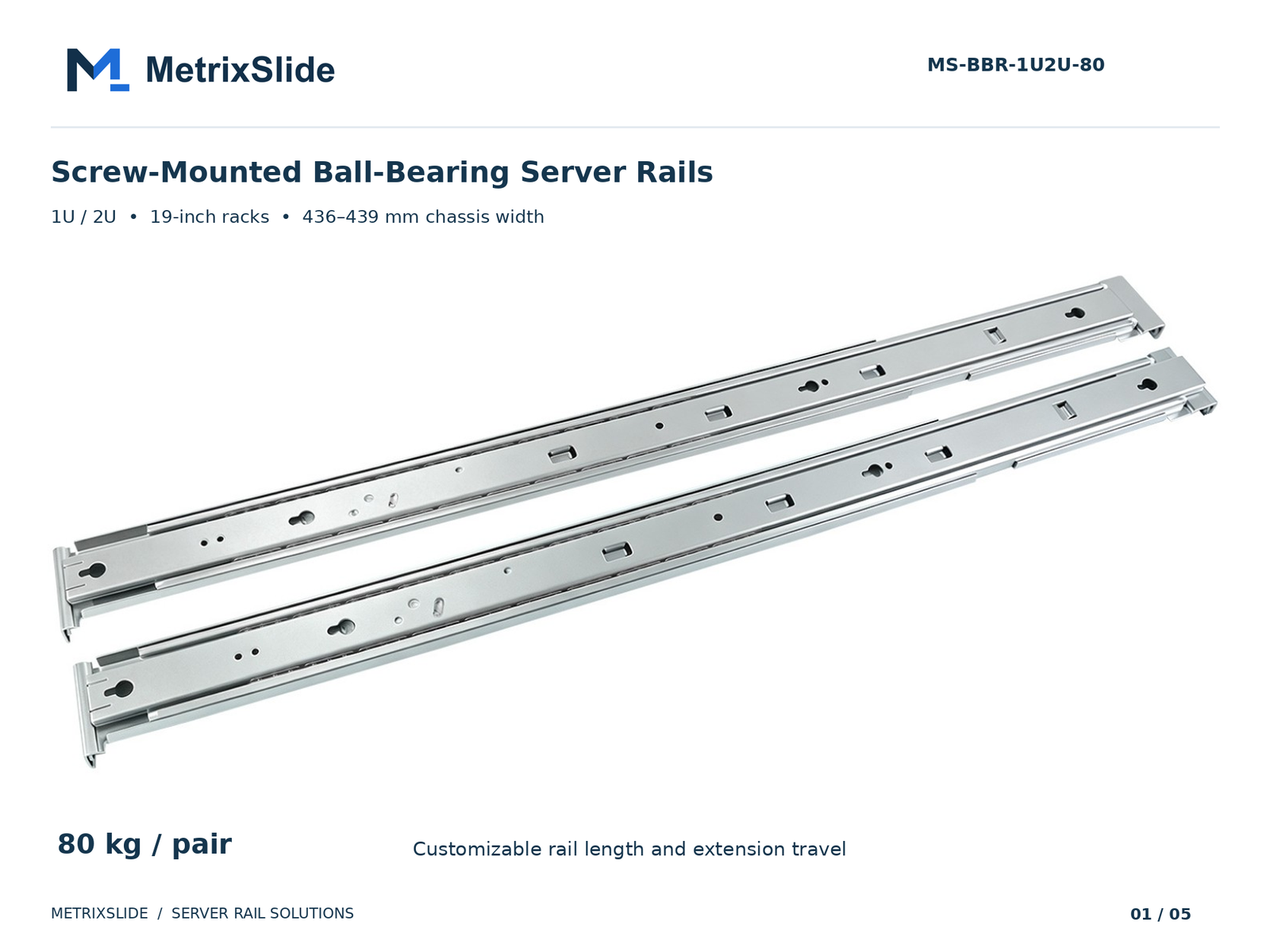 MS-BBR-1U2U-80 Screw-Mounted Ball-Bearing Server Rails — view product
Verified Suppliers, Lead Times and Production Capacity
Before you accept a lower price, verify the supplier’s ability to meet quality, schedule and scale. For metal slide suppliers, the practical verification checklist covers certifications, production capabilities, and willingness to accommodate staged deliveries and rush orders.
Document checklist to request
- Certifications: ask for ISO 9001:2015 (quality management) and any environmental certificates (ISO 14001, RoHS/REACH declarations). MetrixSlide’s production is ISO 9001:2015 certified for processing of metal slides.
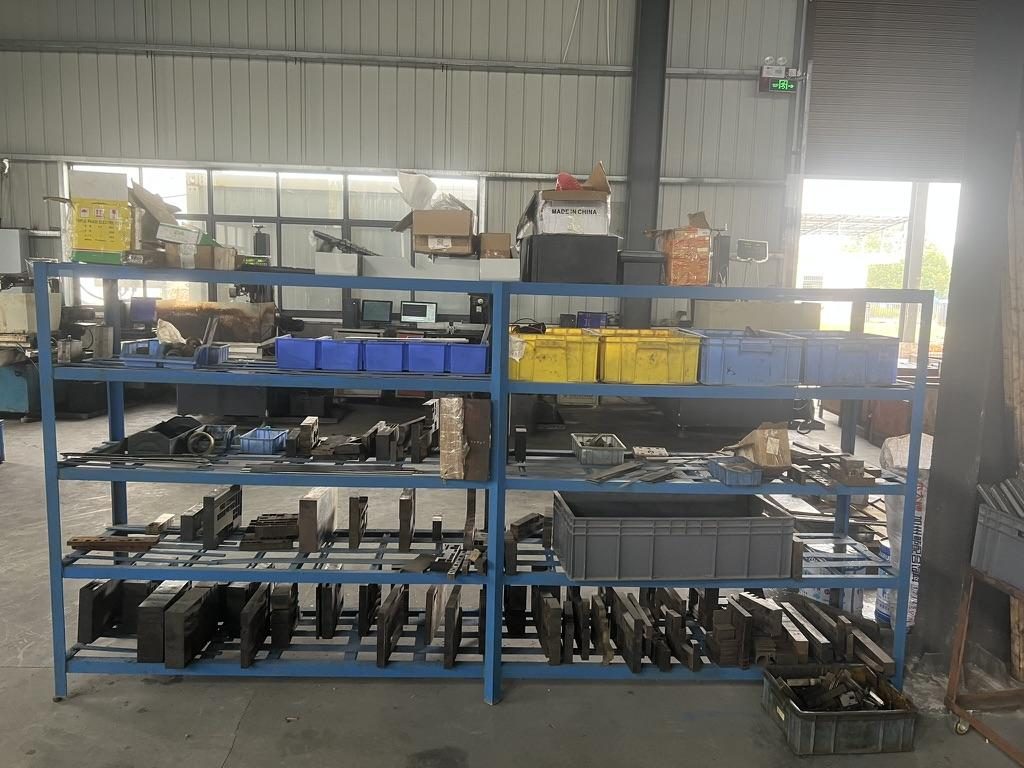
- Factory photos and process descriptions (stamping, roll‑forming, press lines, assembly, packing). Request photos of the actual die area or workshop overview to confirm capacity.
- Sample lead time and sample process: confirm prototype/sample lead times and the cost/credit policy. (MetrixSlide example: sample runs have historically shipped in roughly 15–20 days after confirmation for small engineering lots — confirm current timing per quote.)
- Production capacity and delivery cadence: ask maximum monthly pairs producible for the specific rail family, whether the plant accepts split deliveries, and the supplier’s policy for emergency or expedited orders (rush fees).
- Quality controls: ask for incoming inspection procedures, in‑process checks and final QA sample retention. Can the supplier provide first‑piece photos and an inspection checklist?
Operational questions to ask suppliers
- What is your monthly output (pairs) for this rail family and for similar designs you already make?
- Do you allow staged/partial shipments and what is the minimum per shipment?
- What are your standard lead times from PO to ship for first production and for repeat orders?
- Describe your incoming inspection, in‑process checks and final QA sample retention. Can you provide first‑piece photos and an inspection checklist?
- Are NDA and material‑test or performance‑test agreements supported (for example, a signed test plan for static load or cycle testing)?
Red flags and what to verify in person or via third‑party audit
- No documented quality system or unwillingness to show process photos.
- Vague answers on capacity or inability to commit to staged delivery.
- No traceable sample history or inability to supply CAD/STEP that matches the quoted model.
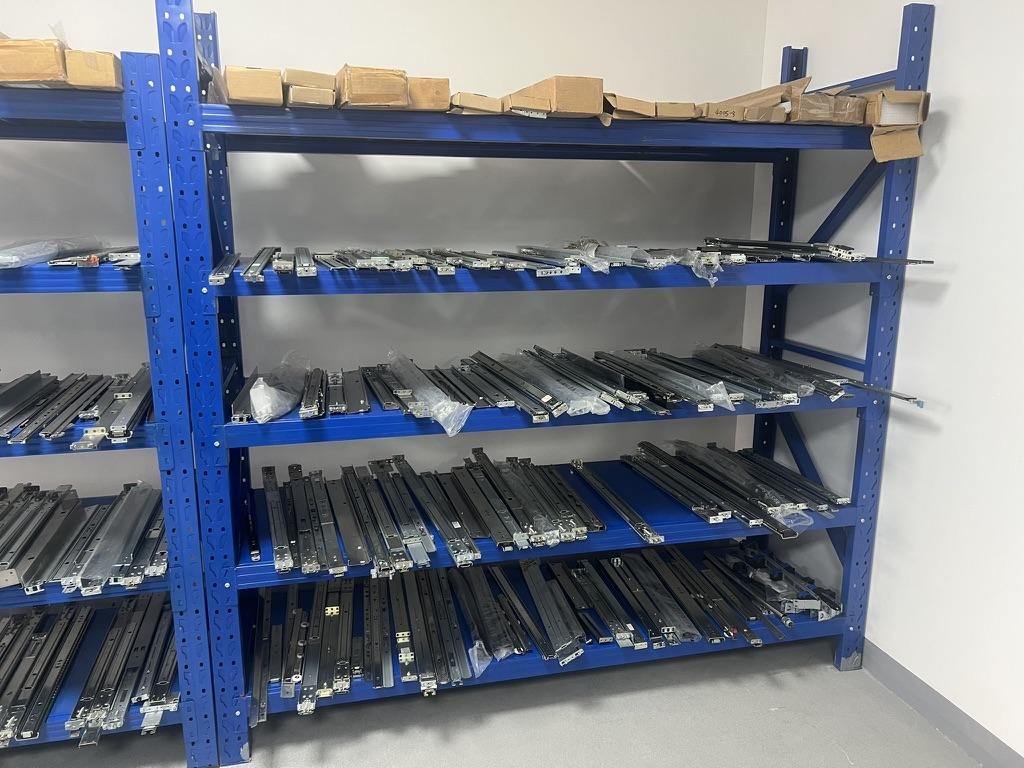
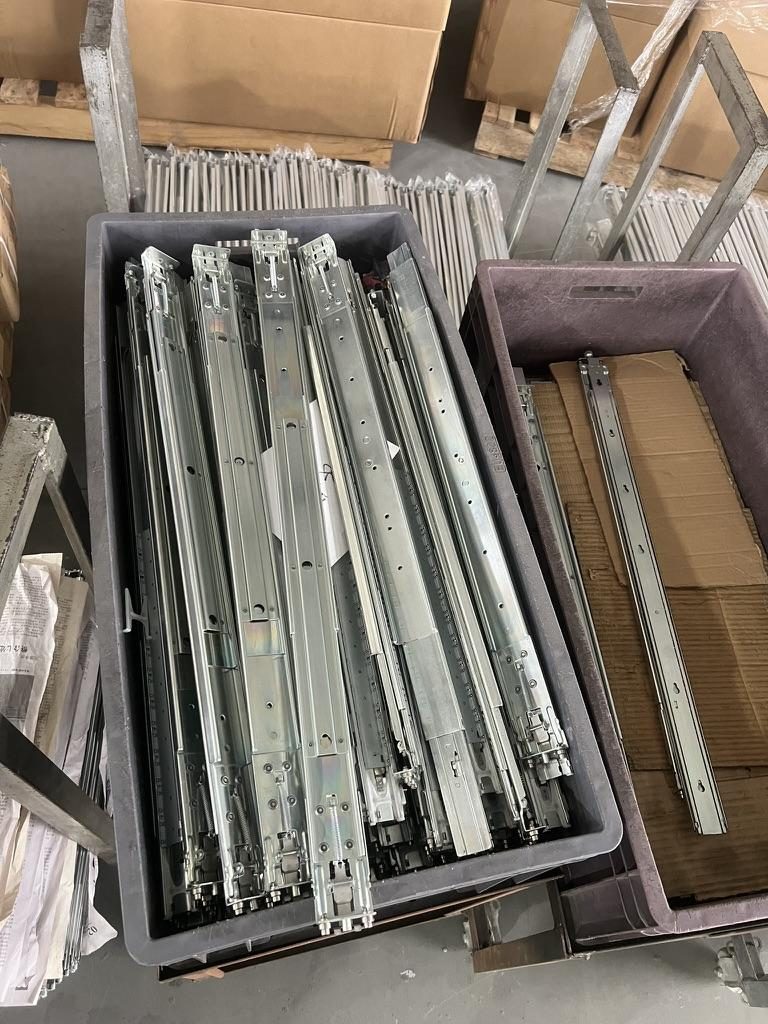
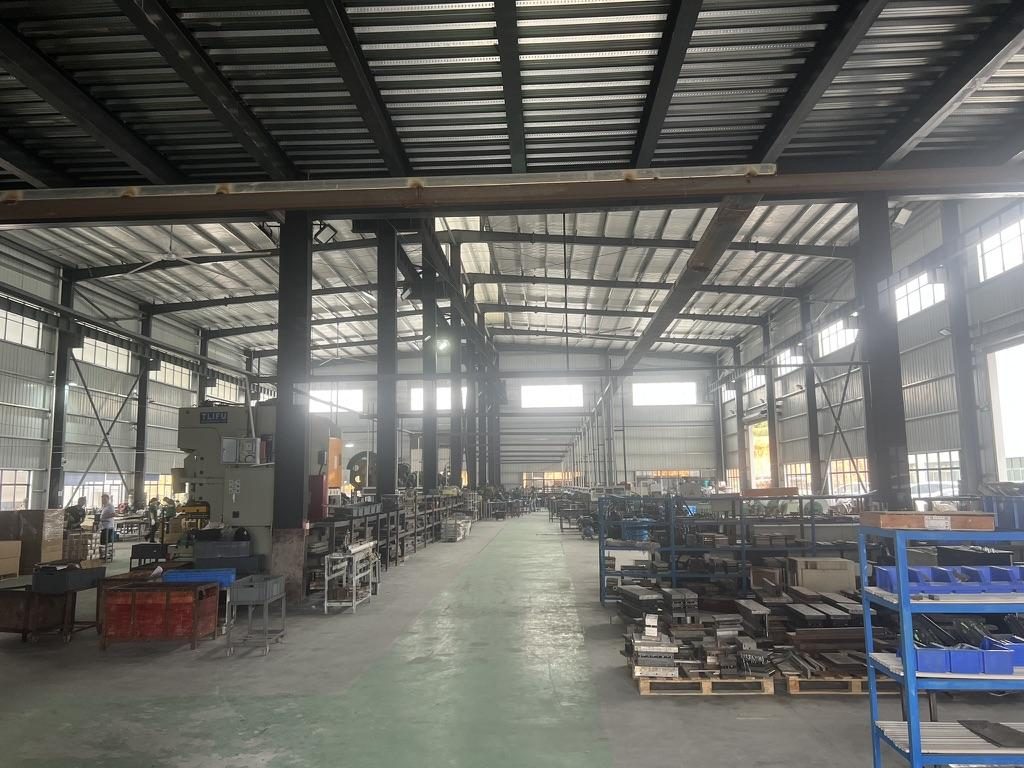 Overview of the server rail production workshop
Compatibility, Specifications, Materials and Durability
Price comparison must start with technical compatibility. A cheaper rail that doesn't fit the rack hole type, mounting depth or chassis interface costs more in rework, downtime and warranty claims.
Key technical gates (hard checks you must pass before accepting a quote)
- Rack standard and hole type: 19‑inch equipment (IEC 60297 / EIA‑310 family) is the common frame reference, but confirm hole type (square‑punched/cage‑nut, round, or threaded fasteners such as 10‑32/12‑24 or metric) and exact post‑to‑post distance on the rack you will use. Universal brackets are conditional fits and must be validated.
- Mounting depth vs closed/extended length vs fit range: provide the supplier with your post‑to‑post distance (or acceptable bracket‑range). Do not assume closed length equals mounting depth — closed length, full extension and bracket adjustment range are three different drawing values. MetrixSlide engineering treats "closed length", "extended length" and "bracket (adjustment) range" as distinct drawing parameters; ask for all three.
- Chassis interface: T‑pin/J‑slot geometry, PEM pin sizes, or captive‑screw positions must be confirmed with a drawing or a STEP. If you have a stab‑in vs drop‑in preference, state it up front — conversions can be bounded changes but must be evaluated.
- Load rating: require per‑pair vs per‑rail rating, extension state (closed / partial / full), static vs dynamic and the test fixture/duration. MetrixSlide’s product baseline includes heavy‑duty entries (for example, the MS-BBR-180 has a nominal capacity of up to 180 kg per pair, with a formal test report at that load not yet available); ask suppliers to state the exact test method and acceptance criteria.
Quick technical definitions (MetrixSlide practice)
- Closed length: the rail length when members are nested and the rail is in the retracted position.
- Extended length (or full extension): overall length when inner members are fully extended.
- Bracket (adjustment) range: the front‑to‑rear post distances the rail can accommodate with its adjustable brackets; this is the operational "fit range" you must match to the rack.
- Per‑pair static full‑extension rating: a load figure stated per pair of rails with the inner member at full extension, under the supplier's stated static test conditions. Always request the test fixture, load duration and pass/fail criteria.
Materials and surface finish considerations
- Ask for material spec (steel grade and thickness where available) and surface finish options (zinc plating, powder coat, black oxide). These change corrosion resistance and perceived durability. MetrixSlide engineering treats thickness changes and bracket position adjustments as bounded customization in many platforms, but feasibility is model dependent and requires engineering confirmation.
- Confirm whether fasteners, cage nuts and any captive screws are included in the quoted price.
Comparison: OEM‑branded rails vs universal/aftermarket rails
- OEM‑branded rails: designed to a specific chassis/rack interface — lower integration risk, often with detailed drawing control and revision history.
- Universal/aftermarket rails: broader fit ranges but may require adapters or chassis changes and may omit OEM locking nuances. Validate mounting interface and lock features before accepting a lower price.
Durability validation to insist on
- Static load test method and duration: in MetrixSlide’s factory static‑load test a rail pair is held under load at full extension for 24 hours, and the MS‑FMR‑2U‑100 held 100 kg in that test; ask for the fixture and acceptance criteria.
- Cycle testing: ask for number of service cycles and the acceptance criteria for wear, play or locking reliability. Verify whether cycles were run at rated load and under the same extension state you will use.
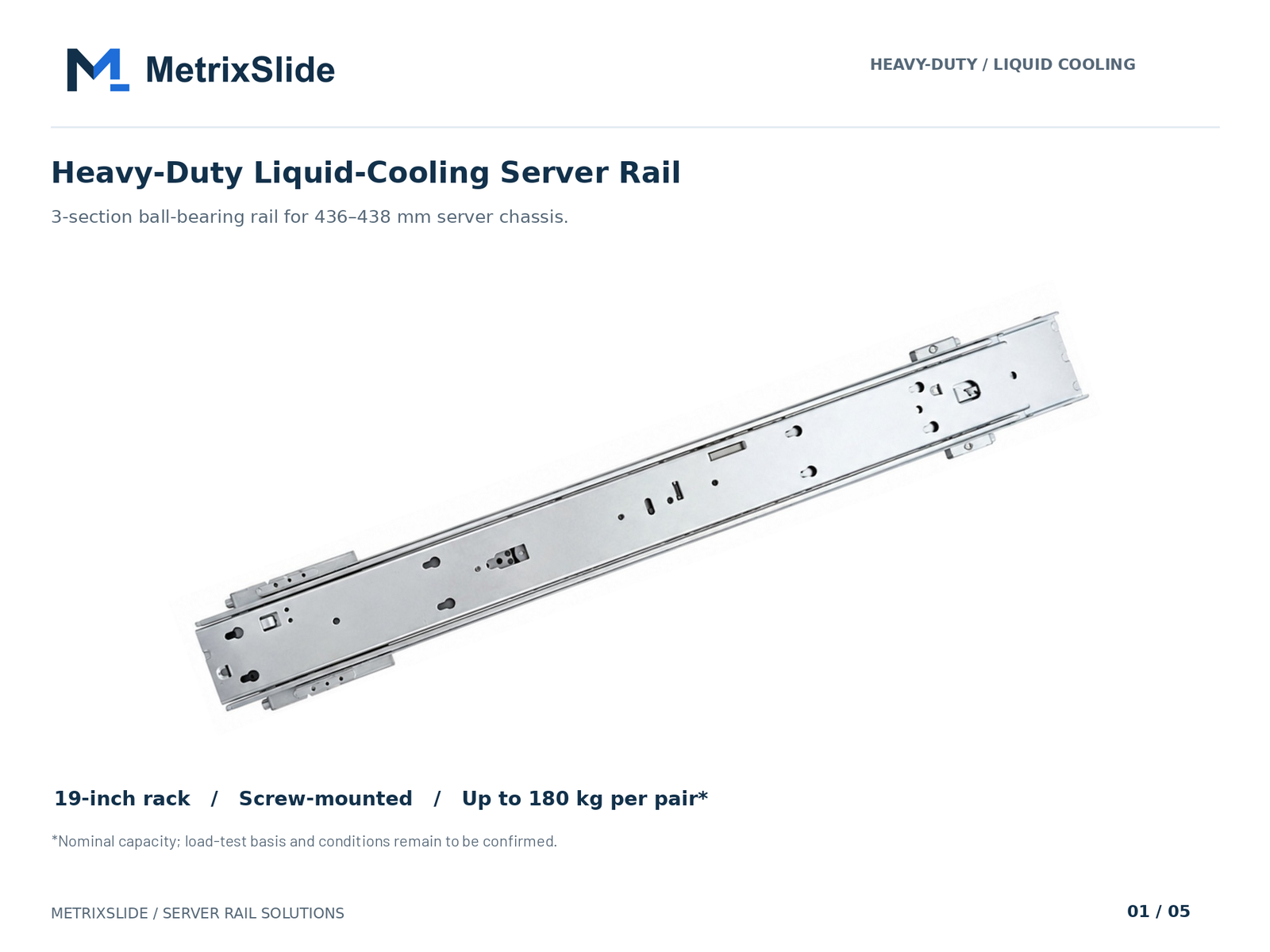 MS-BBR-180 Heavy-Duty Liquid-Cooling Server Rail — view product
MetrixSlide taxonomy and selection rule (engineer practice)
- Motion architecture (first axis): Sliding vs Fixed. Choose Sliding only if you need service movement while the unit remains supported.
- Sliding mechanism (second axis): Ball‑bearing vs Friction. This affects smoothness under load and long‑term wear; ball‑bearing is preferred for higher sustained loads.
- Mounting/installation attributes (third axis): Tool‑less vs screw mounting; Stab‑in vs Drop‑in; these are installation attributes and can coexist with Sliding/Fixed or Ball/Friction decisions.
- Selection sequence (hard gate decision rule): Requirement → Compatibility (rack + chassis + t‑pin/captive interfaces) → Load (per‑pair and extension state) → Architecture (sliding/fixed, bearing type) → Installation preferences (tool‑less, drop‑in) → CAD → Sample → Physical validation → Production. Hard gates (compatibility, load) must be cleared before preferences.
Landed Costs, Shipping, Packaging and Incoterms
To compare quotes accurately you must convert factory prices into landed unit cost using the right Incoterm and realistic freight/duty estimates.
Step‑by‑step landed‑cost approach
- Confirm the Incoterm in the quote (EXW, FOB, CIF, DDP). An FOB quote leaves freight and import clearance to you; DDP means the supplier quotes an all‑in price to your door.
- Estimate transport mode and cost drivers: LTL/LCL for small lots, FCL for larger volumes, air for urgent pilots. Freight per unit falls as quantity and pallet density rise.
- Packaging: confirm export packing (wood crate vs pallet) and any special labeling (FCC/UL marks) that could add cost. Ask to see photos of packed cartons.
- Duties and taxes: provide the supplier with your HS code and request an estimated duty percentage; add customs brokerage and port handling. If you have a preferred arrival port, factor in inland trucking from that port to your warehouse.
- Clearance and local fees: import broker fees, ISF/manifest filing (for ocean imports), and inland drayage are common extra items.
How to fold these into unit cost
- Create a per‑shipment cost sheet: add all shipment‑level costs (freight, insurance, duties, clearance, inland pickup) and divide by the number of units in that shipment to get a landed‑per‑unit figure. Compare landed‑per‑unit across supplier quotes, not raw FOB prices.
Packaging and labeling notes
- For data‑center customers, demand secure export packing and instruction sheets. For warranty tracking ask suppliers to include batch labels with part number and lot code. Photographed packing proofs should be part of first‑piece documentation.
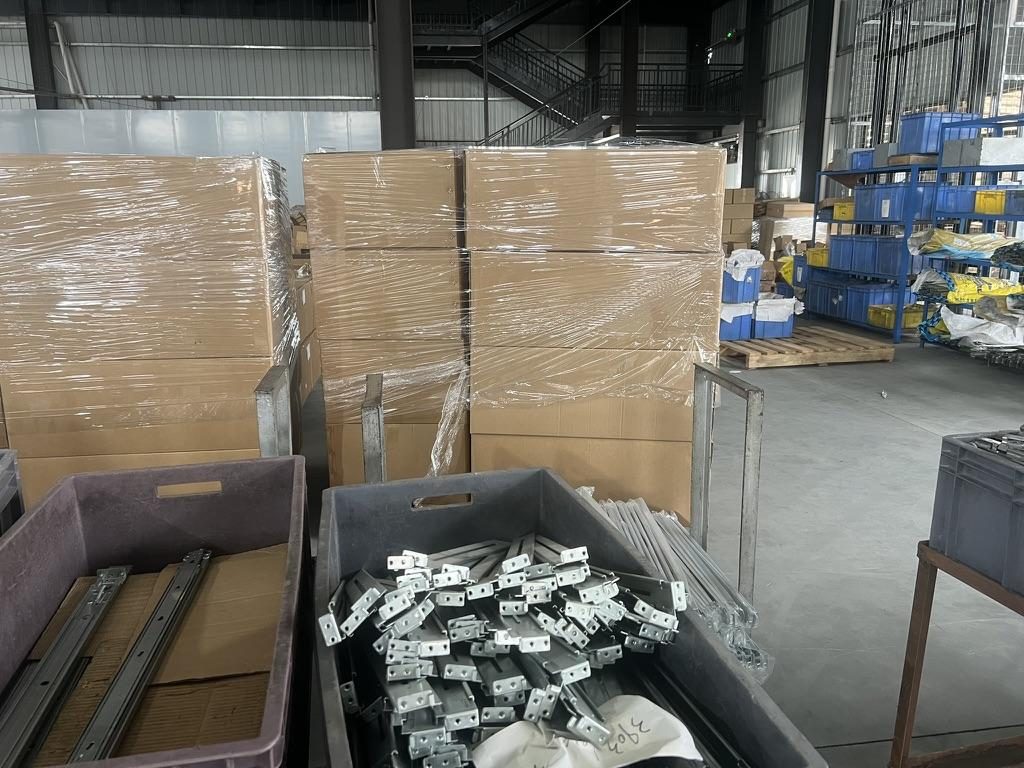
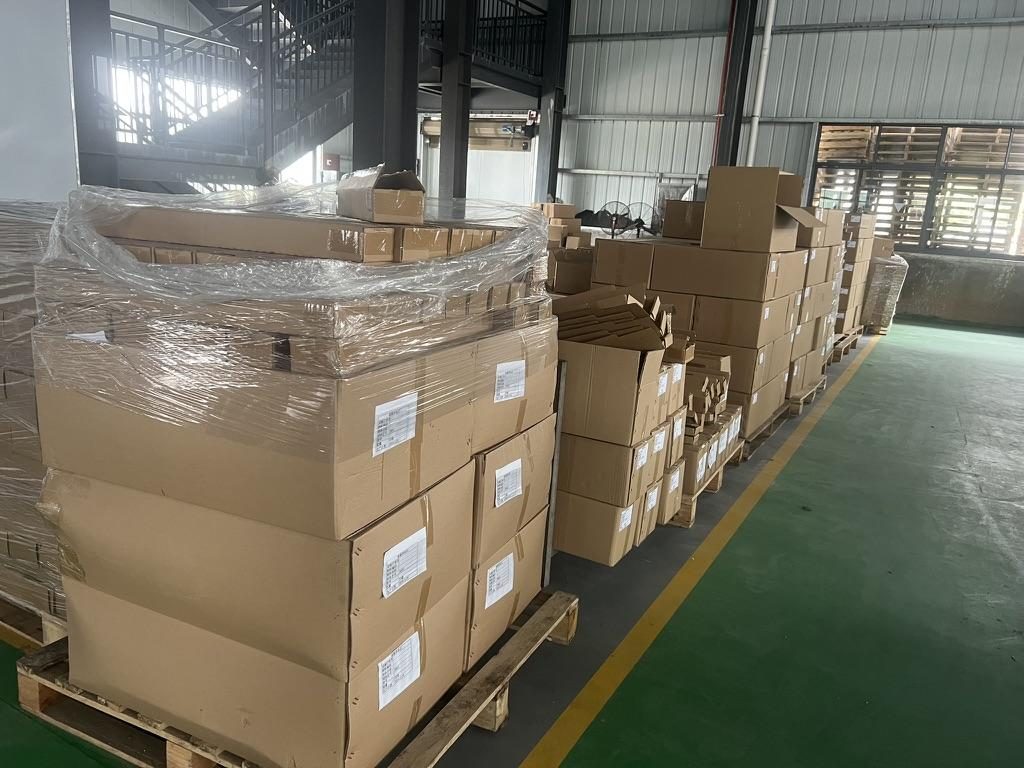 Export cartons of server rail kits ready to ship
Ordering Process, Samples, Payment Terms, Warranty and Returns
A clear ordering flow reduces surprises. Turn commercial terms into a simple checklist and milestone plan.
Typical ordering milestones
- RFQ → Technical clarification → Prototype/sample approval (CAD → sample) → Pre‑production approval → Production PO → Staged shipments → Final acceptance. Use a sample approval form that lists fit, function and load tests to be performed on receipt.
Sample policy and timing
- Confirm whether sample costs are credited against production POs and whether samples require payment in advance. Sample lead times vary by design complexity; MetrixSlide sample runs for small engineering lots have been delivered in about 15–20 days after sample orders were confirmed. Always confirm current timeline per quote.
Payment and commercial terms
- Common wholesale terms include upfront deposits with balance on shipment, net 30/60/90, or documentary credits for first orders. Negotiate terms appropriate to your risk, the supplier’s internal policy and order size. Consider staged payments tied to milestones for larger programs.
Warranty, returns and failure handling
- Request a written warranty period and define return procedures for DOA/field failures. For wholesale accounts, establish acceptance windows, inspection criteria and RMA logistics. For custom or modified rails, capture expected service life and any exclusions related to improper installation.
Account setup and scaling
- Ask suppliers about becoming a listed distributor or approved OEM partner, how credit lines are established, and whether there are pricing breaks or MOQs tied to partner tiers. Define escalation contacts and review cadence for forecasts and capacity planning.
Practical checklists and decision aids (MetrixSlide engineering practice)
Selection order (hard gates before preferences)
- Requirement capture: chassis drawing, rack post distance, hole type, peak load, service access.
- Compatibility hard gate: mounted brackets/range, t‑pin/captive screw position, J‑slot alignment.
- Load hard gate: per‑pair/static/dynamic rating at the extension state you will use.
- Architecture & installation preferences: sliding vs fixed, ball‑bearing vs friction, tool‑less vs screw, stab‑in vs drop‑in.
- CAD → Sample → Physical fit → Performance validation.
Chassis intake (minimum data to send in RFQ)
- 2D/3D chassis mounting area (STEP/PDF), exact chassis width, expected loaded weight, t‑pin / PEM / captive screw positions and dimensions, desired finish, and target annual qty.
Rack intake (minimum)
- Actual post‑to‑post distance at installation, hole type and thread spec, post photos, any space constraints (adjacent U occupancy).
T‑pin / drop‑in checklist
- Pin head dia / shaft dia / under‑head clearance; positional datum; number of pins; expected insertion/retention method. (Example PEM spec used in past projects: head ≈ 6.502 mm / shaft ≈ 4 mm / under‑head clearance ≈ 1.585 mm — send your pin spec.) Ask engineers to confirm J‑slot geometry is derived from the pin, not the other way around.
Load verification gate
- Require per‑pair static rating with stated test fixture and duration (in MetrixSlide’s factory static‑load test a rail pair is held under load at full extension for 24 hours, and the MS‑FMR‑2U‑100 held 100 kg in that test), and cycle testing at rated load if service cycles are critical.
OEM development flow (bounded customization vs structural)
- Requirement → identify existing rail platform → classify requested change (bracket/hole pattern/length/thickness → usually bounded) → engineering feasibility review → CAD/drawing output → customer review → sample → validation → production. Bounded changes commonly include bracket position, hole pattern, rail length, and thickness; structural redevelopment triggers NRE/tooling and longer lead time.
Anonymised project examples (real figures, anonymised)
- A North American telecom OEM (1U friction rail): initial pull‑out shown at 300 mm in early CAD; customer requested shorter lock‑out for load testing and the project moved to an approximately 150 mm target (customer accepted a 100–150 mm range). Samples: small pilot (5–20 pairs) with larger forecasted demand. This illustrates "reduced pull‑out by application requirement", not a universal recommendation.
- An Indian HPC ODM (2U ball‑bearing compatibility project): front bracket adjustment range confirmed at 650–965 mm; the customer's rack‑post distance measured ≈ 812 mm, which falls inside that bracket range. MetrixSlide delivered custom 3D CAD and issued a PI for 10 sample pairs; sample lead time indicated ~15–20 days after confirmation. This shows the "fit range versus actual post distance" matching workflow.
- A SaaS company building its own servers (stab‑in → drop‑in conversion case): PEM T‑pin spec provided for chassis interface design (head ≈ 6.502 mm, shaft ≈ 4 mm, under‑head clearance ≈ 1.585 mm). Conversion from stab‑in to drop‑in required inner‑rail J‑slot redesign only in this project — an example of a bounded change.
- A Korean surveillance‑equipment maker (4U NVR ultra‑slim request): customer asked for thin rails and no protruding pins; MetrixSlide evaluated multiple platform candidates against chassis width constraints and proposed M4 hole pattern options — illustrating that material/thickness and bracket choices are evaluated case‑by‑case and are not universally guaranteed.
These anonymised examples reflect MetrixSlide engineering practice: compatibility first (CAD validation), sample validation next, performance testing last. They are provided as engineering practice signals, not product guarantees.
Conversion / CTA
Request a quantity‑tiered quote, sample and account setup in three easy steps:
- Fill our online RFQ or attach the chassis drawing, rack post‑to‑post distance, desired load per pair, and estimated annual quantity.
- Request a sample pair with your mounting pattern or a supplied STEP; indicate whether you need a tool‑less/ball‑bearing/friction prototype. Expect a written sample plan and a sample lead‑time commitment.
- Ask for both FOB and DDP landed options, plus a split‑shipment schedule if you want staged deliveries.
MetrixSlide typically responds with a tailored quotation and a production timeline; we support NDA/test agreements and can return CAD‑based feedback quickly. Typical response windows are cited in each quote — if you need a faster reply, note “urgent” and include target ship week and quantity.
Suggested email template to start:
- Subject: RFQ — [Project name] | Qty target | Target ship | Mounting depth
- Attach: chassis drawing (STEP/PDF), rack post‑to‑post distance, hole type, load per pair, desired finish, target annual qty, requested sample qty.
FAQ
Q: What is a typical MOQ for wholesale server rails and how does MOQ affect unit pricing?
A: MOQ varies by supplier, product family and degree of customization. MOQ reflects set‑up, handling and minimum packing efficiencies; lower MOQ typically means a higher unit price. Ask suppliers for flexibility (staged delivery, pilot runs) and whether sample orders are available and refundable/credited.
Q: How do bulk discount tiers usually scale — can you show example per‑unit prices for 10, 50, and 200 units?
A: Discount tiers are structured so that per‑unit price declines as fixed costs and handling are spread over more units. Instead of fixed example prices, request a supplier table with explicit bands (e.g., 1–9, 10–49, 50–199, 200+) and a landed per‑unit calculation so you can compare quotes using your freight and duty assumptions.
Q: How can I verify a wholesale server rail supplier in the U.S. market and which certifications should I ask for?
A: Ask for ISO 9001:2015 (quality management) and relevant environmental or material declarations (RoHS/REACH). Request factory photos, sample reports, references or case studies (anonymised customer types are fine), and documented inspection/test procedures. If needed, arrange a factory audit or ask for third‑party inspection reports.
Q: What should I include when calculating the landed cost for imported server rails (shipping, duties, taxes, incoterms)?
A: Include the quoted price under the stated Incoterm, export packing, inland origin transport to port, ocean/air freight, insurance, customs brokerage, duties/tariffs, port handling and inland delivery to your warehouse; divide total shipment cost by units for landed unit cost. Request both FOB and DDP options so you can see the difference.
Q: How do OEM‑branded rails compare with universal/aftermarket rails in compatibility, durability, and total lifecycle cost?
A: OEM rails are usually engineered to a specific chassis and rack interface, reducing integration risk and often lowering lifecycle cost despite a higher initial price. Universal rails increase procurement flexibility and can be less expensive upfront, but you must validate fit, locking features and load behavior to avoid higher service or replacement costs.
Talk to a MetrixSlide engineer
Ready to move from research to a real quote? Send us a chassis drawing or model (STEP or DWG), the rack post-to-post distance and hole type, the expected load and your planned quantities. Within 24 hours you get a rail matching proposal from an engineer, followed by 2D/3D drawings for review and sample pairs (typically 15–20 days after drawing approval) for physical validation before the full order.
Bracket position, hole pattern, rail length and thickness adjustments on our existing platforms usually carry no tooling fee; structural redesigns are quoted separately with dies made in-house.