
How to Find a Server Rail Manufacturer in China (Buyer's Playbook) Practical sourcing channels, a factory‑checklist, RFQ & sample process, IP safeguards and logistics guidance for U.S. procurement teams.
Where to find Chinese server rail manufacturers
Start by building a 6–8 candidate list from three parallel channels: online B2B platforms, industry catalogs and directories, and regional factory clusters plus trade shows. Each channel surfaces different risks and signals — use them together.
- Online platforms (Alibaba, Global Sources, etc.)
- Pros: fast inventory of dozens of rail makers, product photos and spec sheets, buyer reviews.
- Cons: listings mix trading companies and factories; data must be verified (photos, export history, bank account name).
- Industry directories & specialized supplier catalogs
- Pros: generally higher signal-to-noise for metal‑working and slide specialists; good when you need engineering capability.
- Cons: smaller sample size; may require outreach.
- Factory clusters and regional sourcing
- Guangdong (Shenzhen / Dongguan): many electronics contract workshops and thin‑sheet die shops; quick turn for small batches and assembly.
- Zhejiang (Ningbo / Wenzhou): clusters with precision sheet‑metal and bracket makers; useful when hole‑pattern precision matters.
- Jiangsu (Suzhou / Wuxi): larger stamping/automation capacity and roll‑forming operations for higher volumes.
- Hunan / inland provinces: quieter clusters with competitive pricing and tooling shops; useful for OEM development and die work (note: MetrixSlide’s factory/quality evidence references operations in Hunan).
- Trade shows (Canton Fair, Electronica China, CIIF, plus overseas shows)
- Pros: face‑to‑face meetings, quick sample reviews, supplier tours often scheduled after a show.
- Cons: show presence doesn’t prove production or export experience; follow up with verification.
Practical search keywords and filter tags
- Keywords: “server rail”, “rack slide”, “ball bearing slide 19-inch”, “friction server rail”, “tool-less server rail”, “rack mounting rail”.
- Filters/tags to apply: “manufacturer/factory”, “OEM/ODM”, “export experience”, “has ISO 9001”, “metal stamping”, “roll forming”, “ball bearing supplier”, “custom tooling”.
One‑page supplier quick‑check (use when building a shortlist)
| Quick field | What to capture |
|---|---|
| Company name & website | URL, LinkedIn, Alibaba store |
| Location | Province / city; proximity to die shops |
| Processes | Stamping, press‑forming, roll‑forming, welding, zinc/black oxide/paint |
| Export experience | Years, main export markets, recent BLs or shipment photos |
| Certificates | ISO 9001:2015 (scope: processing of metal products/slides), RoHS declarations; UL/ETL only if electrical parts are present |
| OEM/ODM | Supports drawings, samples, NRE policy |
| Contact | Sales + technical engineer email/WeChat |
| First check | Sample availability, photo of workshop / press lines, evidence of FAI process |
Begin with 6–10 candidates and narrow to 3–5 for RFQs. If you need audits or local door‑to‑door verification quickly, hire a China‑based sourcing agent or a resident procurement manager — they shorten lead time for factory visits, document checks and negotiation.
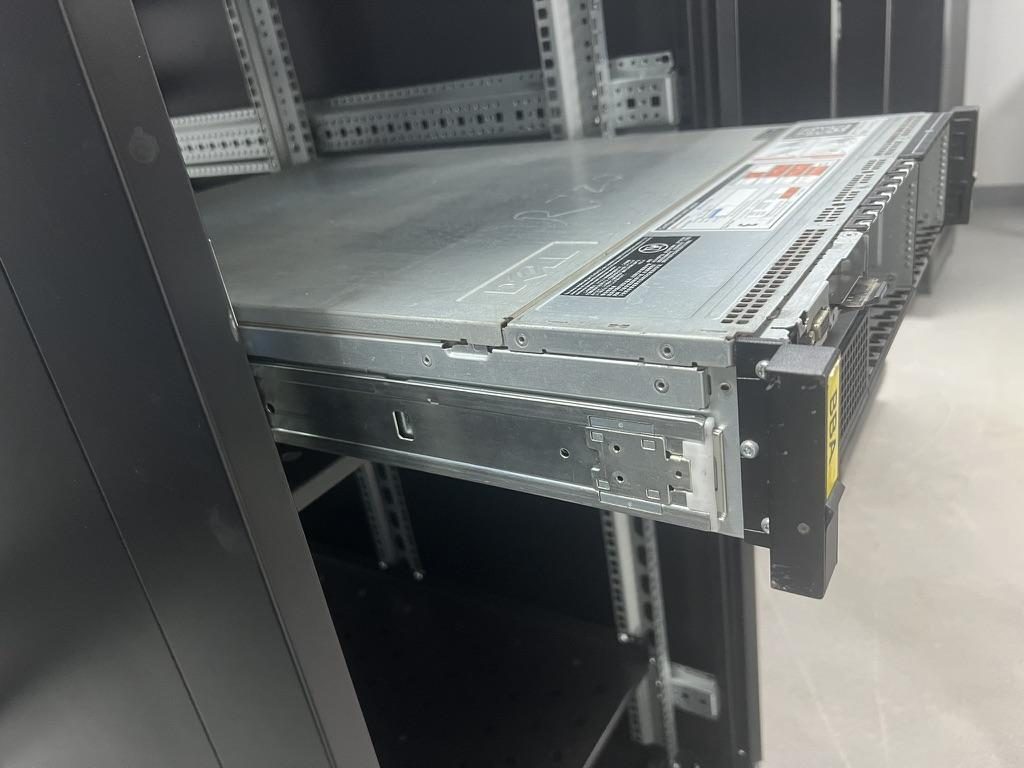
 Server rail sample display rack at the MetrixSlide factory showroom
How to verify and vet manufacturers (factory checklist & red flags)
Treat verification as a short audit plus documentation validation. Ask for documents up front and verify on site (or via third‑party inspection).
Documents and certificates to request
- Business license / export registration and consistent bank account name.
- ISO 9001:2015 certificate or equivalent quality system evidence (scope: processing of metal products / slides). MetrixSlide’s factory-level QA evidence includes an ISO 9001:2015 certificate scoped to slide processing.
- Material certificates and testing reports for substrates (mill test reports) and finishes.
- Product‑related marks as applicable: RoHS declarations and any EU/market paperwork; if electrical parts are present, ask about UL/ETL recognition records.
- Records of recent export shipments (BL copies) and references for recent export customers.
On‑site or third‑party inspection checklist
- Workshop overview: presses, roll‑forming lines, coil slitting and die storage (compare photos to what they sent).
- Tooling inventory & die storage racks; evidence of staged die maintenance.
- First‑article inspection (FAI) process: documented FAI reports, measurement tools, calibrated calipers / CMM access.
- Incoming‑material inspection: material certificates, batch traceability, stamping/blank trace records.
- Assembly and packing stations; environmental controls for painted or plated parts.
- Production schedule and personnel: shift patterns, headcount, key operator skills.
- Load testing protocol for rails: ask whether they run static load tests (some factories use a 24‑hour static test as part of heavy‑rail validation; treat this as a vendor practice and ask for test records).
Red flags
- Refusal to allow third‑party verification or to provide clear photos of the production line.
- Bank account name differs from the business license.
- Only fuzzy photos, no FAI records, or inability to provide sample parts.
- Requests for unusually large prepayments, or evasive answers on tooling ownership and NRE.
Audit scoring (example priorities to weight in a short audit)
- Quality system & traceability
- Production capability & tooling
- Capacity & lead‑times
- Environmental & labor practices
- Commercial terms (MOQ, export experience)
- References & past shipments
If you lack time to visit, commission a neutral supplier audit firm or a pre‑shipment inspection company and ask for a written report with photos and measured dimensions. Use the audit score to advance 2–3 finalists into detailed RFQs.
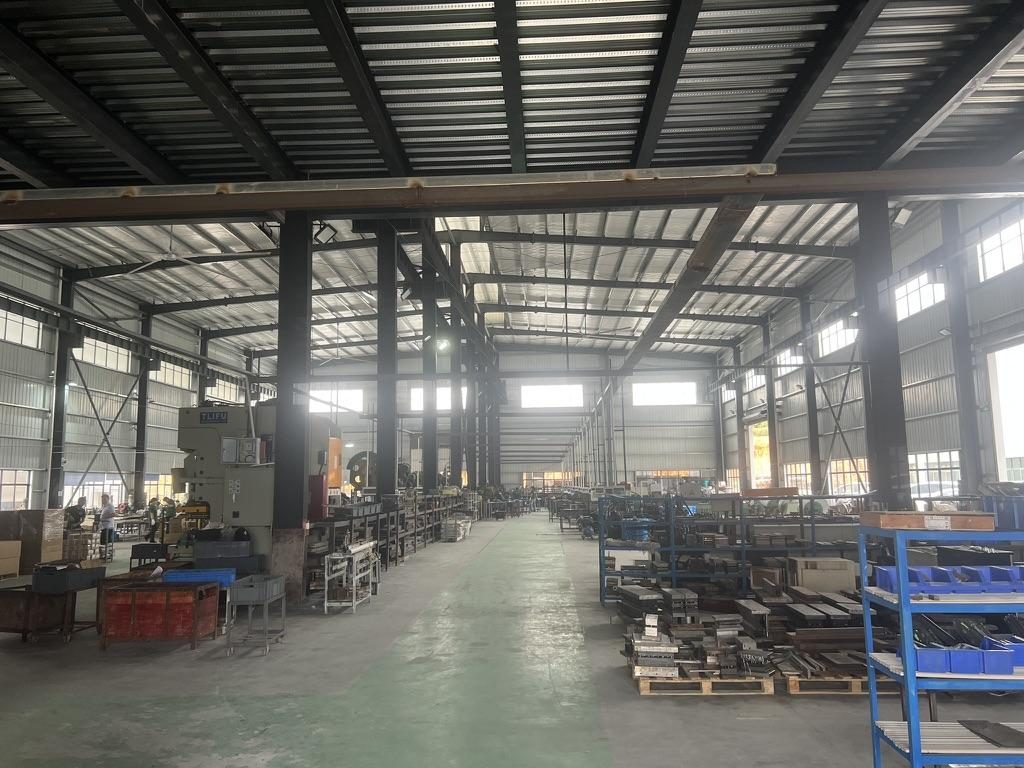
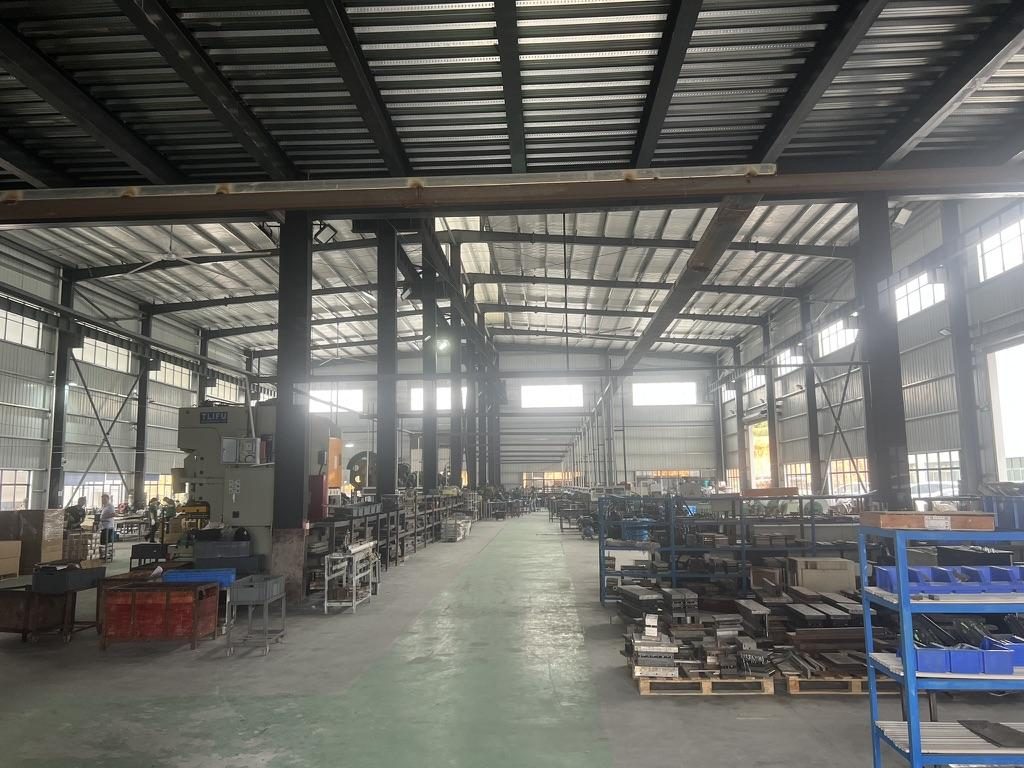 Overview of the server rail production workshop
Pricing, MOQ, samples, lead times, and supplier comparison
Get comparable quotes by standardizing what you ask for in the RFQ and insisting on line items.
RFQ essentials (what to include)
- CAD or STEP (full chassis STEP preferred; at minimum, mounting‑area STEP) and clear drawings of the rack posts and hole types.
- Material spec and surface finish (state coil grade / thickness and finish required if you have a preference).
- Function & load requirements: per‑pair load, static vs dynamic, extension state at rating (full vs partial).
- Mount interface: bracket range (post‑to‑post distance), hole types (square/round/threaded), T‑pin or keyhole details.
- Packaging, marking, single‑unit and carton packing, shipping marks.
- Expected monthly demand and target first production date (seasonality).
- Acceptance tests and quality standards (FAI, mechanical test, visual, dimensional tolerances).
- Incoterm requested (EXW, FOB, CIF) and port of destination.
What to ask suppliers to break out in the quote
- Unit price at MOQ / price breaks by quantity.
- Sample fee and sample lead time (ask for firm days).
- Tooling / NRE if applicable and whether bounded adjustments (bracket position, length, hole pattern, thickness) carry no tooling fee.
- Monthly capacity and surge capacity (ability to scale).
- Warranty period, return policy, and rework/repair terms.
Supplier comparison table (example columns)
| Supplier | MOQ | Unit price (FOB) | Sample fee & lead time | Prod lead time | Monthly capacity | Warranty | Response time |
|---|---|---|---|---|---|---|---|
How to read answers
- Beware low sample fees but very long sample lead times or refusal to produce sample pairs.
- Confirm monthly capacity with proof: an existing order schedule, photos of similar tooling, or recent BL copies.
- If a supplier quotes a lower price with unusually low MOQ, validate quality and delivery with a small pilot order.
Small pilot orders are standard: use a low‑risk first production run to validate packaging, transit damage rates and on‑time delivery before scaling. In MetrixSlide project experience a common sample lead‑time case is ~15–20 days after order confirmation for a 10‑pair sample run — treat such examples as case references, not guarantees for every supplier.
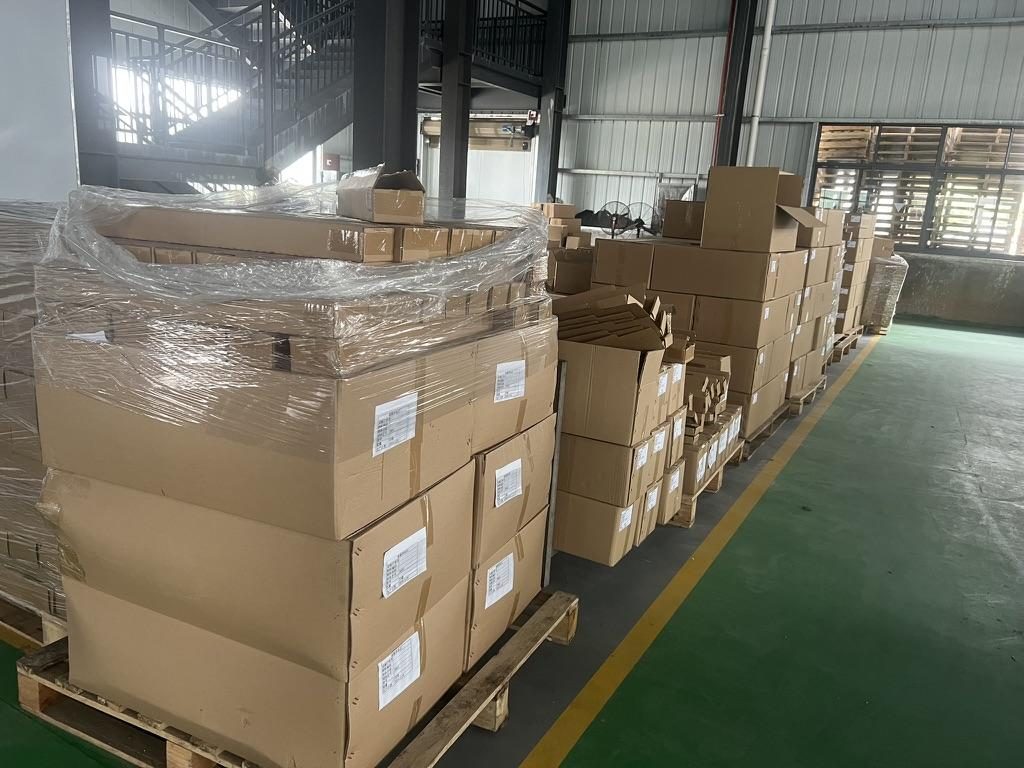
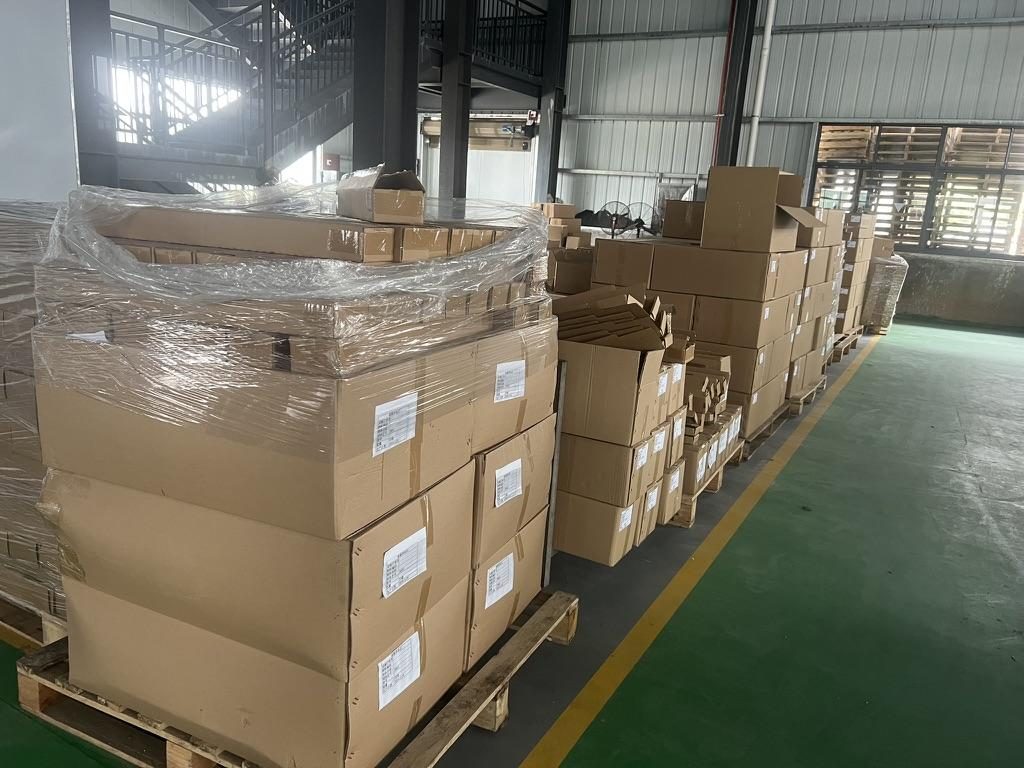 Export cartons of server rail kits ready to ship
OEM/ODM customization, IP protection, contracts and payment terms
A clear stage‑gate process protects both buyer and manufacturer: concept → DFM → sample → FAI → pilot → production. Put contractual guardrails around each stage.
Customization workflow and tooling
- Submit chassis drawing or model and rack post‑to‑post distance as the first step.
- DFM review: vendor proposes rail architecture (friction/ball, section count, bracket range).
- Prototype/sample for fit and load testing; FAI with dimensional sign‑off.
- Tooling/NRE: bounded changes (bracket position, hole pattern, rail length, rail thickness) are commonly handled as flexible customization; structural redesigns or a 1:1 reverse copy of a proprietary part typically require NRE and dedicated tooling.
MetrixSlide engineering practice — flexible customization (summary)
- Definition: bounded adaptation of an existing rail platform to customer rack/chassis needs (bracket, hole pattern, length, thickness) without changing the core rail architecture.
- Decision rule: requirement → identify existing platform → classify requested changes (bounded vs structural) → engineering feasibility review → CAD/drawing → sample → physical validation → production.
- Keep the hard gate that structural redevelopment triggers a formal NRE/tooling estimate.
IP protection and practical safeguards
- NDA before sharing CAD; share a mounting‑area STEP instead of full assemblies if preferable.
- Define design ownership and reuse rights: state whether drawings you provide remain your IP and whether the supplier can reuse tooling for other customers.
- Use staged disclosure (split BOMs, release full assemblies only after production start) and watermark CAD files.
- Record and limit quantities for pre‑launch runs to reduce leakage risk.
Contract items to insist on
- Acceptance criteria for samples and FAI; stage payments tied to sign‑offs.
- SLA elements: on‑time delivery % target, warranty period, repair/replacement turnaround, and agreed return process.
- Payment terms: bank transfer (T/T), letter of credit, or third‑party escrow. Negotiate staged payments: deposit, balance after shipment, or balanced against inspection/BL.
- Dispute resolution: specify venue and arbitration rules (for example, USA or Hong Kong arbitration) and applicable law.
Negotiation tips
- Ask for itemized costs to make price comparisons easier.
- Use a small pilot order to validate factory claims before committing to long‑term volumes.
- If a supplier resists clear contract terms or refuses NDA/CAD restrictions, consider it a risk signal.
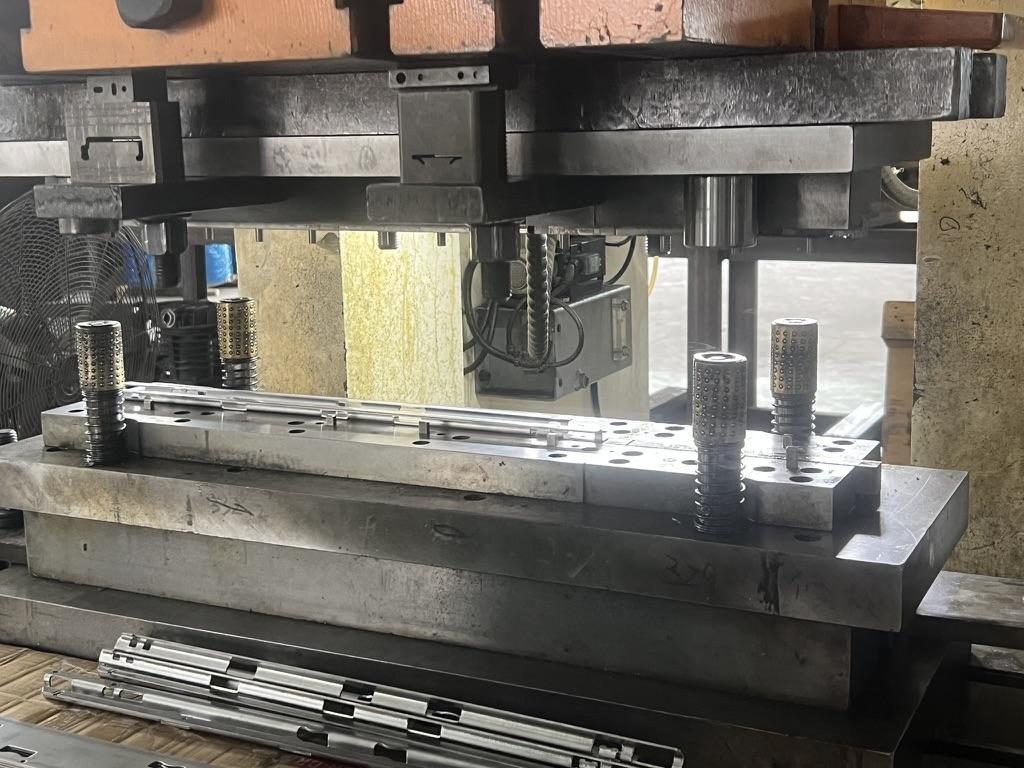
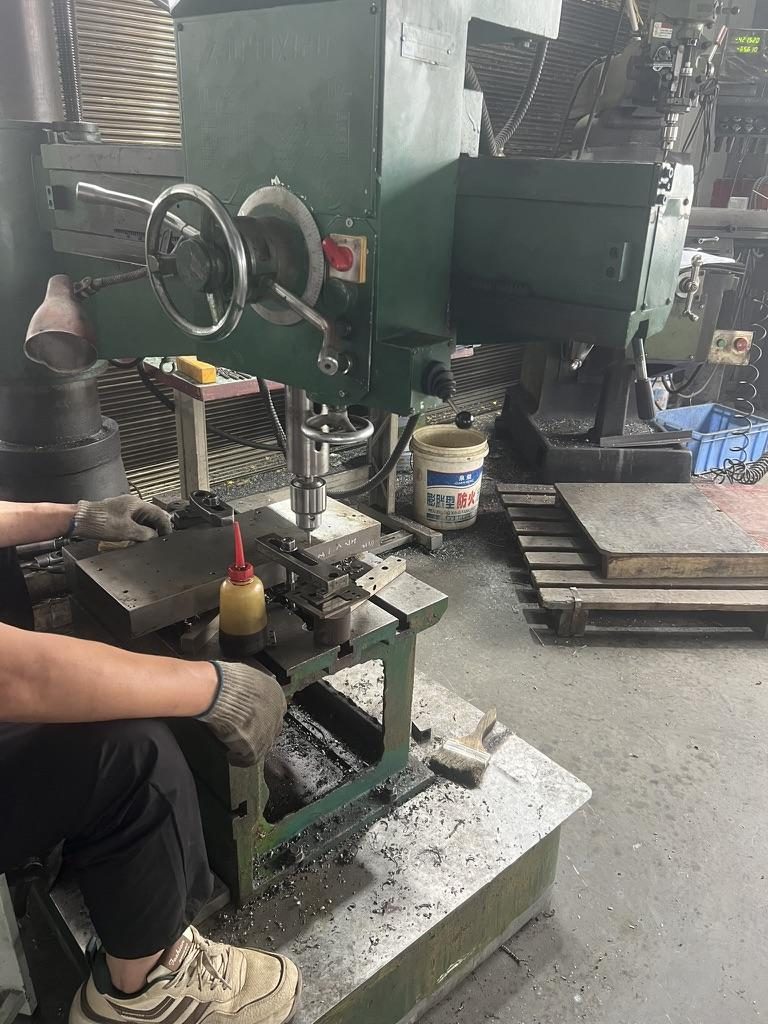 Tooling workshop: machining a component of a custom rail die
Logistics, import duties, shipping options, and post‑sale support
Plan logistics early: shipping mode, packing, Incoterms, customs, insurance and after‑sales.
Shipping modes & when to use them
- Sea freight (FCL/LCL): best for bulk production where cost per unit matters. Choose FCL when volume justifies a container; LCL may suit small batches but has higher handling risk.
- Air freight: for urgent samples or small high‑value shipments.
- Courier: for documentation or single pair samples when timing is critical.
Incoterms basics and documents
- Common terms: EXW (buyer arranges export), FOB (seller clears export, buyer books ocean freight), CIF (seller pays freight + insurance to named port).
- Standard export documents: commercial invoice, packing list, bill of lading / airway bill, certificate of origin (if required), and any inspection report.
Duties, HTS codes and insurance
- Don’t assume duty rate—look up the specific HTS code for the product and consult your customs broker to estimate duties and anti‑dumping risks.
- Cargo insurance is recommended for ocean shipments; confirm coverage for packaged rails and agreed declared value.
Choosing a freight forwarder and port
- Pick forwarders who handle metalwork and have experience with your destination port. Ask for references and container stuffing photos.
- Consider inland transit time to your U.S. warehouse when comparing FOB quotes — transit and customs clearance can add days.
Post‑sale support and spare parts
- Define return / warranty procedures and turnaround time for replacements and repairs.
- Ask suppliers to hold a small spare‑parts inventory or agree a consignment policy for critical parts.
- Build a post‑sale SLA covering repair response time, rework cost allocation, and who pays for return freight.
Logistics cost drivers to watch
- Packaging method (individual cartons, palletization), volume and weight, port congestion, seasonal demand, and compliance inspections. Negotiate packaging and palletization in the RFQ to avoid surprises.
Export cartons of server rail kits ready to ship
Practical selection & compatibility rules (engineer’s checklist)
Make compatibility the first gate: hard‑screen for interface and dimensional fit, then verify load capability, then optimize for architecture and service features.
Compatibility decision order (MetrixSlide practice)
- Capture complete requirements (chassis dimensions, mounting features, required load, rack hole type, rack‑post distance).
- Quick hard gate: does any candidate rail obviously fail the chassis or rack interface? If yes, reject.
- CAD / mounting‑area STEP review (if nominal dims are insufficient).
- Physical sample fit validation (install sample in target chassis & rack).
- Performance validation (load, extension, repeatability).
Four validation levels to record
- Requirement / nominal match
- Drawing / CAD match
- Physical fit validation
- Performance validation (load / life / deflection)
Key technical definitions buyers must request (include with RFQ)
- Closed length vs extended length vs bracket (adjustment) range — these are three distinct drawing values and cannot be inferred from one another.
- Load rating basis: always specify per pair vs per rail, static vs dynamic, and extension state at rating (e.g., full extension).
- Mounting details: hole type and thread, T‑pin (PEM) head/shaft/under‑head clearance and datum, keyhole/J‑slot geometry, captive screw center‑to‑datum.
Taxonomy note (useful when comparing proposals)
- Motion architecture: Sliding vs Fixed
- Sliding mechanism: Ball‑bearing vs Friction
- Mounting attribute: Tool‑less vs Screw; Stab‑in vs Drop‑in
- Parameters: section count, closed/extended length, bracket fit range, pull‑out for service, load rating per pair
Load data and examples from MetrixSlide
- MetrixSlide load reference: MS-BBR-180 has a nominal capacity of up to 180 kg per pair; a formal test report at that load is not yet available. Treat as a product‑specific nominal figure (ask suppliers to provide validated rating documentation).
- Heavy‑load designs generally use ball‑bearing architectures and require explicit validation (static tests, deflection checks).
An odometer checklist for RFQ → sample
- Send: mounting‑area STEP, rail‑to‑chassis fastener datum positions, required load, preferred architecture.
- Ask for: CAD review within X days, sample quote, sample lead time (firm days), FAI report template, tool/NRE policy for bounded adjustments.
- On sample arrival: install in target rack/chassis, execute dimensional check, run agreed static load and visual/functional checks.
Anonymized project examples (real figures from MetrixSlide engineering cases)
- A North American telecom OEM (1U friction slide): reduced pull‑out requirement from an initial 300 mm to an implemented target of 150 ±3 mm for lock‑out behavior; selection included CAD review, small sample run and pilot. (case evidence available from MetrixSlide)
- An Indian HPC ODM (2U ball‑bearing project): MetrixSlide supplied a customized CAD with a front bracket fit range of 650–965 mm; the customer’s actual rack‑post distance was ~812 mm (within the range). PI issued for 10 sample pairs; indicated sample lead time ~15–20 days after order confirmation.
- A Korean surveillance‑equipment maker (4U NVR): requested ultra‑slim options and asked for very thin rail material (customer wished for ≤5 mm thickness); project proceeded via architecture selection → mounting pattern CAD → sample validation.
- A SaaS company building its own servers (stab‑in → drop‑in conversion): a conversion pattern that changes inner‑rail J‑slots to allow rails to be pre‑installed in the rack and receive chassis vertically; critical inputs were PEM/T‑pin dimensions and slot geometry.
Conversion / CTA
To move from search to shortlist, use your RFQ responses and audit scores to select 2–3 finalists. Then request sample pairs, run a first‑article inspection, and place a small pilot order before scaling.
FAQ (3–5 Q&As)
Q: What certifications and standards should I require from a Chinese server rail manufacturer to sell in the United States? A: Ask for ISO 9001:2015 (quality system), material certificates and RoHS declarations; for 19‑inch compatibility reference IEC 60297 / EIA‑310 dimensional expectations. If the rails include electrical components, request evidence of UL/ETL recognition. Always verify originals and tie acceptance to the sample/FAI.
Q: How do I compare MOQs, FOB prices, and lead times across multiple Chinese suppliers for server rails? A: Standardize your RFQ (same drawings, material, finish, packaging and incoterm) so quotes are comparable. Capture unit price, MOQ, sample fee & lead time, production lead time and verified monthly capacity in a side‑by‑side table; validate capacity claims with recent BLs or a pilot order.
Q: What is the typical sample ordering process, costs, and timeline when sourcing server rails from China? A: The process is: submit drawings → DFM review → sample quote → sample approval → FAI. Sample fees and lead times vary by supplier and the amount of rework; in one prior case a 2U sample run took about 15–20 days after order confirmation, but treat that as a case example and confirm timings up front.
Q: How can I verify a factory's production capacity and arrange a third‑party audit or inspection? A: Request recent shipment records, photos of tooling & press lines, and a documented production schedule. If you cannot visit, hire a neutral audit firm or pre‑shipment inspection company to perform an on‑site audit and produce a written report with photos and measured dimensions.
Q: Which shipping methods and incoterms are best for importing server rails to the U.S., and how do I estimate duties and freight costs? A: For production volumes, ocean freight (FCL) is usually most cost‑effective; air or courier suits urgent samples. Choose EXW if you control export logistics, FOB if you want the supplier to clear export and load the container. Estimate duties by checking the specific HTS code with your customs broker — rates and anti‑dumping rules are product‑specific.
Talk to a MetrixSlide engineer
Ready to move from research to a real quote? Send us a chassis drawing or model (STEP or DWG), the rack post-to-post distance and hole type, the expected load and your planned quantities. Within 24 hours you get a rail matching proposal from an engineer, followed by 2D/3D drawings for review and sample pairs (typically 15–20 days after drawing approval) for physical validation before the full order.
Bracket position, hole pattern, rail length and thickness adjustments on our existing platforms usually carry no tooling fee; structural redesigns are quoted separately with dies made in-house.