
Sliding server rails come in two main flavors — ball-bearing and friction — and picking the wrong one means a server that's hard to service, or money spent on capability you'll never use. This guide compares the two head-to-head on smoothness, load, maintenance, cost and compatibility, then gives you a clear decision matrix.
Ball Bearing vs Friction Server Rails: The Core Difference
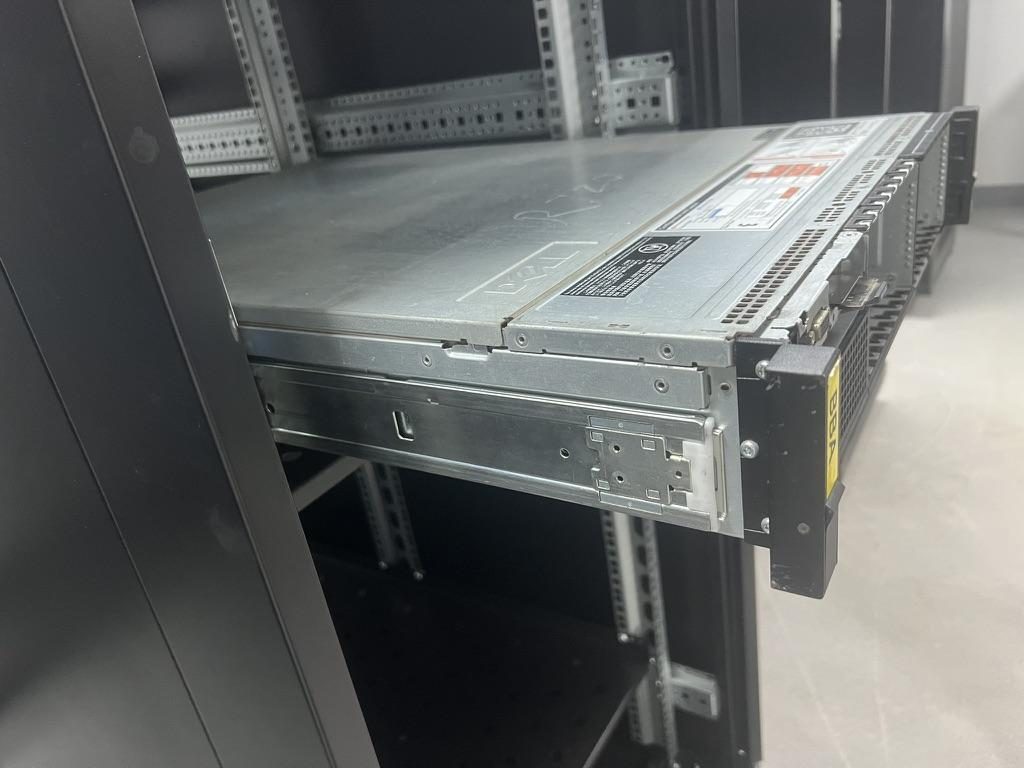
The core difference is how the rail slides. Ball-bearing rails use rows of steel ball bearings between telescoping rail members, so the server glides out on rolling contact with very little resistance — usually with full extension. Friction rails slide on direct metal-on-metal (or metal-on-plastic) contact, so there's more drag and typically less travel.
It helps to clear up the terminology first, because these terms overlap: fixed (static) rails don't slide at all; sliding rails is the umbrella term for anything that extends; friction rails are sliding rails without bearings; and ball-bearing sliding rails are the smooth, full-extension type. So "friction" and "ball-bearing" are both sliding rails — they just differ in the mechanism.
In short: ball-bearing rails win on smoothness, service access and heavy-load handling, while friction rails win on price and simplicity. The rest of this article is about which of those trade-offs matters for your deployment.
Pros and Cons: Smoothness, Durability, Cost, and Maintenance
Each type is a bundle of trade-offs. Here's how they compare on the factors that actually affect daily operation.
| Factor | Ball-bearing rails | Friction rails |
|---|---|---|
| Smoothness | Very smooth, low effort | Noticeable drag, more effort |
| Service access | Full extension, easy | Partial; harder under load |
| Load handling | Higher, stable when extended | Lower, best for light gear |
| Durability | Long cycle life if kept clean | Simple, but wears/deforms over time |
| Cost | Higher unit price | Lower unit price |
| Complexity | More parts, possible bearing wear | Few parts, few failure points |
| Noise | Quiet | Can squeak or bind |
Ball-bearing rails are the better experience: smooth full-extension travel, easy front-and-rear servicing, and confident handling of heavier chassis. The downsides are a higher price, more moving parts, and sensitivity to dust contamination or bearing wear if neglected.
Friction rails are cheap, mechanically simple, and have few things to break. But the added sliding resistance makes pulling a heavy server out a chore, and over many cycles the slide surfaces can wear, deform or start to bind.
Look past the sticker price to total cost of ownership: factor in technician time per service, downtime when a stuck rail slows a swap, and how often you'll replace worn hardware. For servers you touch often, the smoother rail frequently pays for itself.
Weight Capacity and Service Access for Rack Servers
In a rack, load rating is about more than the rail type. Real capacity depends on the server weight, its U height (1U/2U/4U), the rail material, the extension length, whether it's full-extension, how the rail is anchored to the cabinet, and the manufacturer's rated load — which you should always treat as the ceiling.
For heavy servers, storage nodes and GPU servers, ball-bearing rails are usually the right call: they carry more weight and stay stable when fully extended for service. Pull a dense 2U/4U GPU box out on friction rails and you'll feel every kilogram. Lighter 1U appliances that rarely move are perfectly happy on friction or even fixed rails.
Service access is where the gap is widest. Ball-bearing rails give true full-extension access with defined lock points and a stable service position, so you can work front and rear safely. That stability is also a safety issue: a heavy chassis cantilevered out on an unanchored rack is an anti-tip hazard, so deploy stabilizers and never extend a heavy server in a rack that isn't secured.
The rule of thumb: heavy servers or anything serviced frequently → ball-bearing; light, rarely-touched equipment → friction or fixed rails.
Installation and Rack Compatibility: 19-Inch Racks, Mounting Holes, and Rail Depth
Both types target the 19-inch EIA-310 rack standard, but "19-inch" alone doesn't guarantee a fit. Check the post mounting holes — square (cage nuts), round threaded, or unthreaded round — and whether the rail is tool-less or screw-mounted. Then confirm the front-to-rear post distance, the rail's adjustment range, and your chassis depth all line up.
Ball-bearing rails generally demand more precise left/right alignment and secure locking, because any mismatch will make the slide bind. Friction and fixed rails are usually simpler to mount but trade away service flexibility.
Don't judge compatibility by "19-inch" alone: Dell, HPE, Lenovo and Supermicro servers typically ship model-specific rail kits with their own locking and CMA features, and generic chassis have their own requirements. Always verify the server model, rail part number, rack hole type and depth before buying.
Decision Matrix: When to Choose Ball Bearing, Friction, or Fixed Rails
Use this matrix to match the rail to the job:
| Your situation | Best choice |
|---|---|
| Frequent maintenance / hot-swap work | Ball-bearing |
| Heavy, deep, or GPU servers | Ball-bearing |
| Need full pull-out + cable management arm | Ball-bearing |
| Budget-sensitive, light equipment | Friction |
| Server rarely removed once installed | Friction |
| Switches, light appliances, no slide-out needed | Fixed / static |
A few maintenance realities to weigh: ball-bearing rails pair best with a cable management arm, but in dusty or high-vibration data centers their bearings need cleaner conditions and occasional attention; friction rails tolerate grime better but punish you on every repeated service cycle; and fixed rails sidestep both by not sliding at all.
The honest bottom line for the "which is better" question: there's no universally better rail. It comes down to load, how often you service the box, your rack's compatibility, and your safety requirements. Match those four and the choice makes itself.
Not Sure Which Rail Fits Your Servers? Talk to Our Engineers
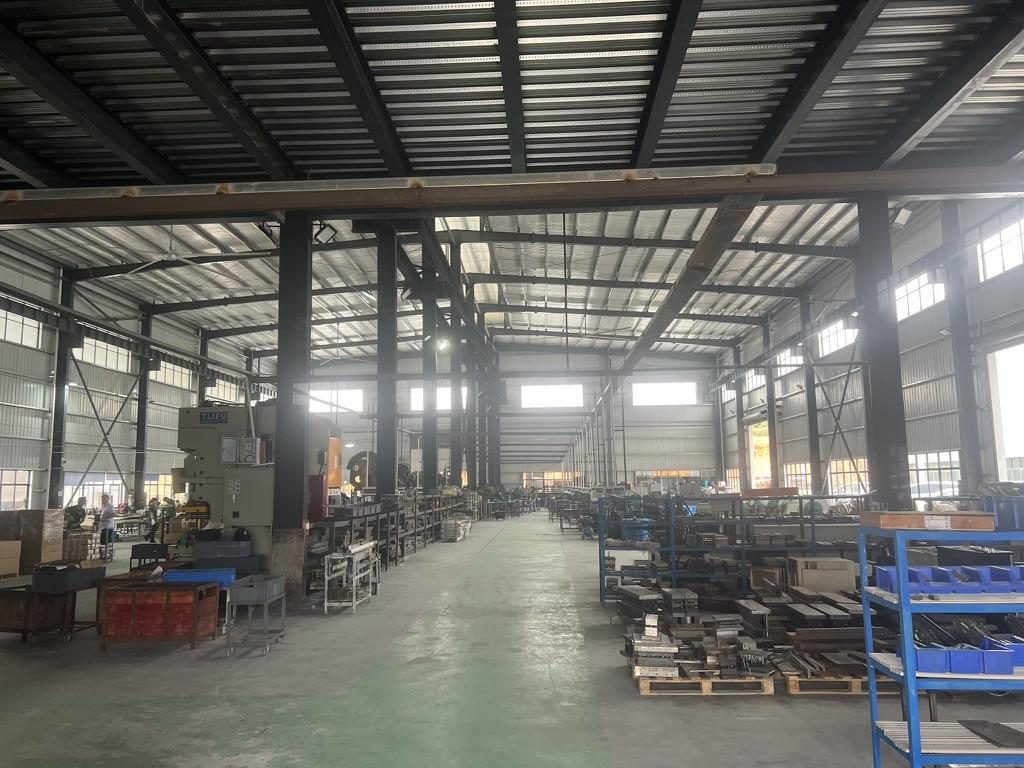
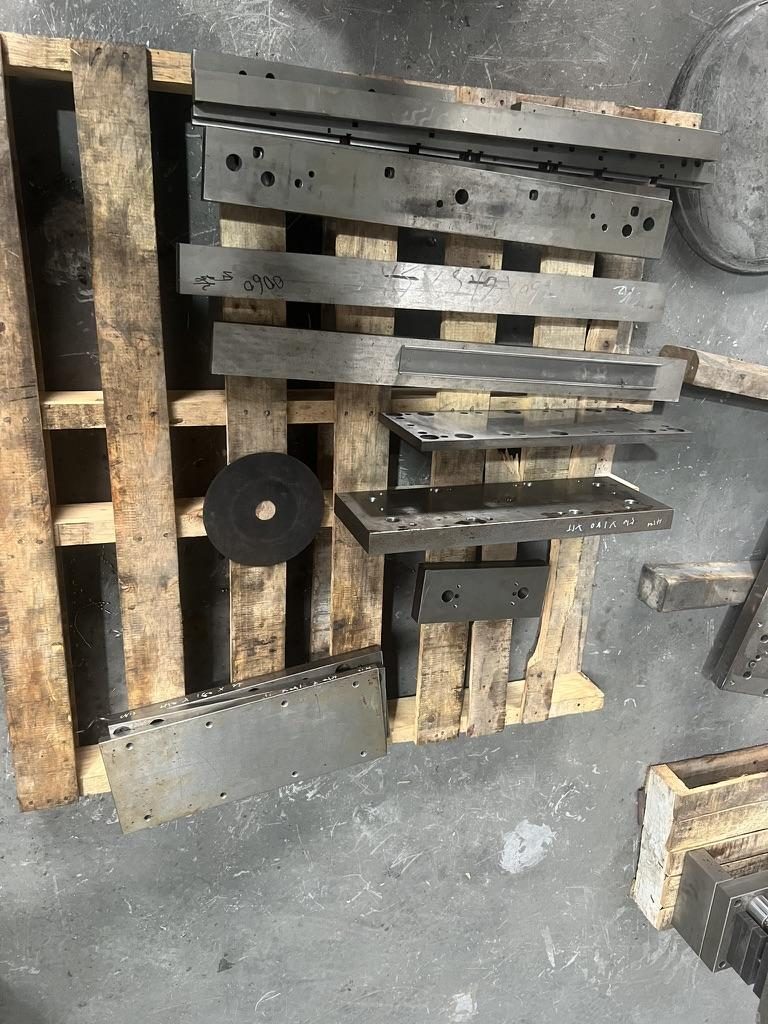
MetrixSlide is an OEM/ODM server-rail manufacturer with in-house stamping, roll forming and tooling. We build ball-bearing, friction, fixed, tool-less and heavy-duty GPU rails, with custom engineering for load rating (40–180kg), rail length, hole patterns, locking and private-label branding — from prototype samples to bulk production under an ISO 9001 quality system.
If you have a custom requirement, our engineers are ready to talk it through and answer your questions. Send us your server model, weight, U height, rack type and service needs, and we'll recommend ball-bearing or friction rails — or engineer a kit to fit.
Frequently Asked Questions
What are the different types of server rails?
The main types are fixed (static) rails, friction sliding rails, ball-bearing sliding rails, and heavy-duty/GPU rails. Fixed rails don't slide; friction and ball-bearing rails both slide but differ in mechanism and smoothness.
Which is better for rack servers: ball bearing rails or friction rails?
For most rack servers that are serviced regularly or carry real weight, ball-bearing rails are better thanks to smooth full extension. Friction rails are a fine, cheaper choice for light equipment that rarely needs to slide out.
Are ball bearing server rails good for heavy servers?
Yes. Ball-bearing rails generally handle higher loads and stay stable when fully extended, which is why they're preferred for heavy servers, storage nodes and GPU systems — as long as you stay within the rated load and anchor the rack.
What are the disadvantages of ball bearing rails?
They cost more, have more moving parts, and are more sensitive to dust contamination and long-term bearing wear. They also require more precise left/right alignment during installation.
Do ball bearing rails and friction rails fit all 19-inch racks?
No. Both target the 19-inch EIA-310 standard, but fit also depends on hole type (square/threaded/round), mounting style (tool-less vs screw), and depth. Verify the rail against your specific rack and server model.
How do server rail weight ratings affect installation safety?
The rated load is the safe ceiling. Exceeding it — or extending a heavy server in an unanchored rack — risks rail failure or tipping. Always check the rated load, use anti-tip stabilizers, and lift heavy servers with two people.
Can friction server rails support frequent maintenance?
They can, but it's less pleasant: the added sliding resistance makes frequent pull-outs harder, especially with heavier servers, and repeated cycles wear the slide surfaces faster than on ball-bearing rails.
Do ball bearing server rails work with cable management arms?
Yes — full-extension ball-bearing rails are the usual pairing for a cable management arm, since the CMA needs the server to slide fully out and back while keeping rear cabling organized.